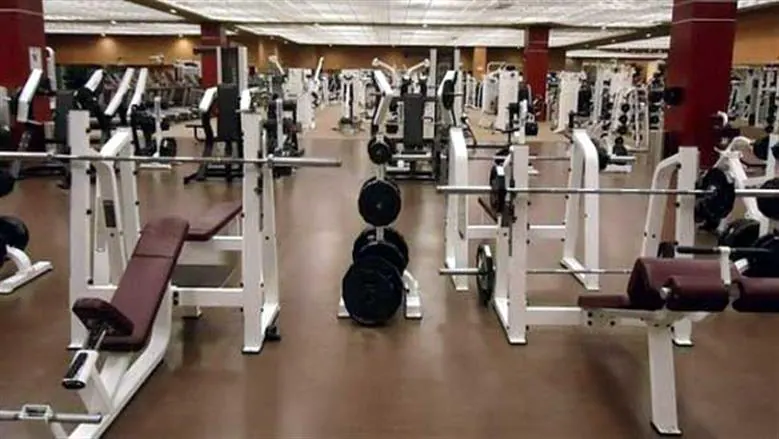
A 30-year-old Egyptian man, Mahmoud Eissa, recently underwent his third surgery in a series of procedures to address severe muscle damage and scarring caused by injecting unknown oily substances into his body. The substances, which he obtained from an unlicensed gym in Cairo's Ein Shams district, were intended to rapidly increase his muscle mass. However, the decision had devastating consequences, leaving Eissa with severely damaged muscles, chronic pain, and a drastically altered physique.
Eissa's ordeal began when he visited a local gym in search of a quick solution to enhance his physical appearance. He was introduced to a trainer who offered him a "miracle" solution – oily injections that promised rapid muscle growth. Despite initial reservations, Eissa began taking the injections, which led to alarming symptoms, including severe swelling, abscesses, and pus-filled wounds. As his condition worsened, Eissa sought medical attention, only to be met with skepticism and confusion.
Eissa's case is not an isolated incident. A recent investigation revealed a thriving black market for counterfeit and hazardous substances, often disguised as muscle-building supplements. These products, frequently laced with veterinary hormones and chemicals, have been linked to severe health complications, including cardiac arrest, organ damage, and even death. Despite efforts to curb the trade, the problem persists, with many young men continuing to fall prey to the promise of rapid muscle gain.
Eissa's journey took a dramatic turn when he traveled to China in search of treatment. However, his hopes were dashed when doctors refused to operate, citing the extreme risks associated with his condition. Faced with a bleak prognosis, Eissa returned to Egypt, where he eventually found a surgeon willing to perform a series of high-risk surgeries to remove the damaged muscle tissue.
The physical and emotional toll of Eissa's experience has been immense. He is now forced to live a sedentary lifestyle, struggling to come to terms with the drastic changes to his body. Moreover, he faces ridicule and harassment from those who do not understand his condition. In an effort to raise awareness and prevent similar tragedies, Eissa has taken to social media to share his story, warning others about the dangers of counterfeit muscle-building products.
The proliferation of hazardous substances in the fitness industry has significant implications for public health. Experts warn that the long-term consequences of using these products are dire, with many users risking permanent damage to their organs, muscles, and overall well-being. As the demand for rapid muscle gain continues to drive the black market, authorities face an uphill battle in their efforts to curb the trade.
Eissa's case serves as a stark reminder of the perils of the counterfeit fitness industry. His story highlights the need for greater awareness, education, and regulation to protect vulnerable individuals from the dangers of hazardous substances. As Eissa continues his arduous journey toward recovery, his message serves as a warning to others: the pursuit of physical perfection is not worth the risk to one's health and well-being.
Key points
- An Egyptian man's quest for rapid muscle gain led to severe health complications and multiple surgeries.
- The black market for counterfeit muscle-building products continues to thrive, posing significant risks to public health.
- Experts warn of the long-term consequences of using hazardous substances, including permanent damage to organs and muscles.