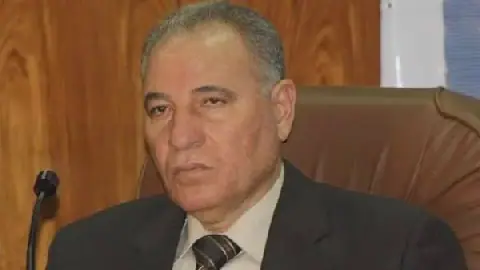
The current minimum wage for the private sector in Egypt is 7,000 pounds, which labor unions say is not enough. Majdi El-Badawi, deputy head of the Egyptian General Federation of Labor Unions, stated that the wage is not sufficient given the current economic challenges. He emphasized that the minimum wage should not be viewed as just a number, but rather as part of a broader set of factors, including inflation rates and the purchasing power of the Egyptian pound.
El-Badawi noted that while the government has set a minimum wage of 8,000 pounds, the private sector remains committed to 7,000 pounds. He argued that simply increasing wages is not enough to help workers cope with rising prices; a comprehensive set of measures is needed to alleviate living costs. These measures include health insurance and benefits provided by some employers, such as transportation for workers or good health insurance.
El-Badawi categorized business owners into four groups based on their commitment to paying the minimum wage. The first two groups pay their workers much higher wages or adhere to the government's minimum wage. The third group has the financial capacity to pay but chooses not to, while the fourth group lacks the financial means to implement the minimum wage. He stated that the main problem lies with the third and fourth groups.
According to El-Badawi, the current labor law strengthens the powers of the National Wages Council, making its decisions binding. The law also grants the Ministry of Labor and its inspection committees the authority to monitor the implementation of the minimum wage. Employers who fail to apply the minimum wage despite having the financial capacity face fines ranging from 2,000 to 20,000 pounds, which can be multiplied based on the number of workers.
El-Badawi emphasized that the National Wages Council considers the financial situations of businesses that claim they cannot afford to implement the minimum wage. He stressed that the goal is not just to increase wages but to improve workers' incomes while ensuring businesses can continue to operate. El-Badawi argued that if a business is forced to close due to increased wages, it would harm the workers.
El-Badawi called for providing incentives or benefits to business owners who genuinely cannot afford the minimum wage, allowing them to implement it gradually. He reiterated his stance that the minimum wage should apply to everyone without exception but with considerations for those who need support. This approach aims to balance workers' needs with the sustainability of businesses.
The discussion around the minimum wage in Egypt highlights the challenges of balancing workers' rights with the economic realities faced by businesses. As the government and labor unions navigate these issues, the focus remains on finding solutions that support both workers and businesses. El-Badawi's comments reflect the complexities of addressing wage concerns in the context of Egypt's economic conditions.
Key points
- The current minimum wage for the private sector in Egypt is 7,000 pounds.
- Labor unions argue that the minimum wage is insufficient given the current economic challenges.
- The Egyptian government has set a higher minimum wage of 8,000 pounds for the public sector.