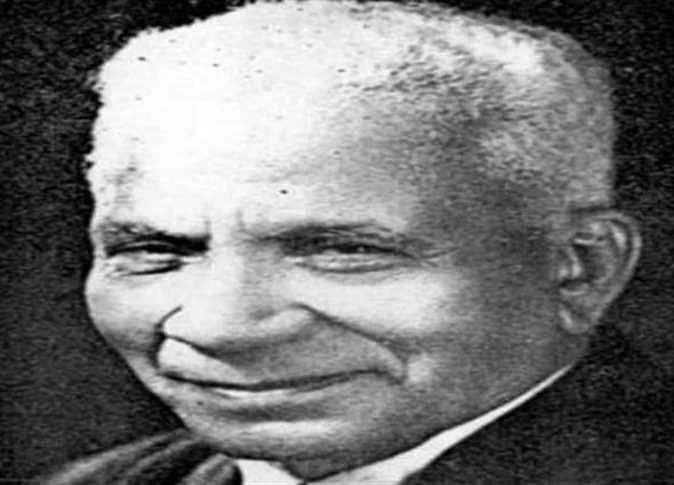
Egyptian Islamic writer Muhammad Abdul Latif, popularly known as Ibn Al-Khatib, passed away on September 24, 1981, at the age of 81. Born on February 9, 1900, Ibn Al-Khatib was a prominent figure in Islamic literature. He was best known for his interpretation of the Quran, titled "Awdah Al-Tafasir," which was widely acclaimed and reprinted over ten times. His work was praised by leading scholars and intellectuals, including the head of the Arabic Language Academy.
Ibn Al-Khatib's literary contributions extended beyond his interpretation of the Quran. In 1948, he published a book called "Al-Furqan," which discussed Ottoman calligraphy and Quranic readings. He advocated for the translation of the Quran, a notion that gained acceptance years later. Ibn Al-Khatib also worked on editing and publishing several books on Islamic studies, including "Sahih Muslim" and "Zad Al-Ma'ad."
Throughout his career, Ibn Al-Khatib continued to produce influential works. In 1966, he published "Hatha Huwa Al-Haq," followed by "Haqa'iq Thabita fi Al-Islam" in 1974, "Al-Hub" in 1975, and "Yusuf Al-Sadiq" in 1977. His poetry collections, such as "Abi Abdillah Al-Husain" and "Asma' Allah Al-Husna," published in 1980, showcased his literary skills. Ibn Al-Khatib's son, Ismail Muhammad Abdul Latif, a lawyer, shared insights into his father's life and work.
Ibn Al-Khatib's impact on Islamic literature was significant. His interpretation of Quranic terms, "Gharib Al-Quran," published in 1970, provided a simplified explanation of complex concepts. He also researched and studied various aspects of Islam, producing works that contributed to the field of Islamic studies. His efforts to promote understanding and knowledge of the Quran and Islamic principles earned him recognition among scholars.
The Egyptian Islamic writer's legacy extends beyond his literary works. Ibn Al-Khatib's advocacy for Quranic translation and his efforts to make Islamic texts more accessible helped shape the intellectual landscape of Egypt and beyond. His contributions to Islamic literature and scholarship continue to be studied and appreciated by academics and researchers.
Ibn Al-Khatib's life was marked by his dedication to Islamic studies and literature. From his early work on Ottoman calligraphy to his later poetry collections, he demonstrated a commitment to promoting knowledge and understanding of Islam. His passing on September 24, 1981, marked the end of an era for Egyptian Islamic literature.
The impact of Ibn Al-Khatib's work can still be felt today. His interpretations and studies continue to be referenced by scholars, and his legacy serves as a testament to the enduring power of Islamic literature. As a prominent figure in Egyptian Islamic literature, Ibn Al-Khatib's contributions will remain an essential part of the country's cultural heritage.
Key points
- Ibn Al-Khatib passed away on September 24, 1981, at the age of 81.
- He was best known for his interpretation of the Quran, "Awdah Al-Tafasir."
- Ibn Al-Khatib advocated for the translation of the Quran in his 1948 book "Al-Furqan."