Egyptian Islamic scholar Sheikh Mustafa Thabet has emphasized that Islamic law, or Sharia, encompasses five key objectives: preserving religion, life, intellect, wealth, and honor. These objectives form the foundation for regulating human life and are closely tied to a society's ability to build and develop its infrastructure while adhering to values such as justice, honesty, and respect for work.
Sheikh Thabet made these remarks during an appearance on the program "With the People," broadcast on the "Al-Nas" channel. He highlighted that some scholars view the primary purpose of Sharia as the development and preservation of the earth, ensuring a harmonious coexistence among its inhabitants. This perspective is supported by various Islamic texts that encourage believers to engage in activities that promote the well-being of society.
The scholar cited a hadith from the Prophet Muhammad, which states, "If the Hour comes and one of you has a sapling in his hand, let him plant it." This hadith underscores the importance of continuing to build and develop, even in challenging circumstances. Such teachings encourage Muslims to take proactive steps in improving their environment and ensuring the sustainability of life on earth.
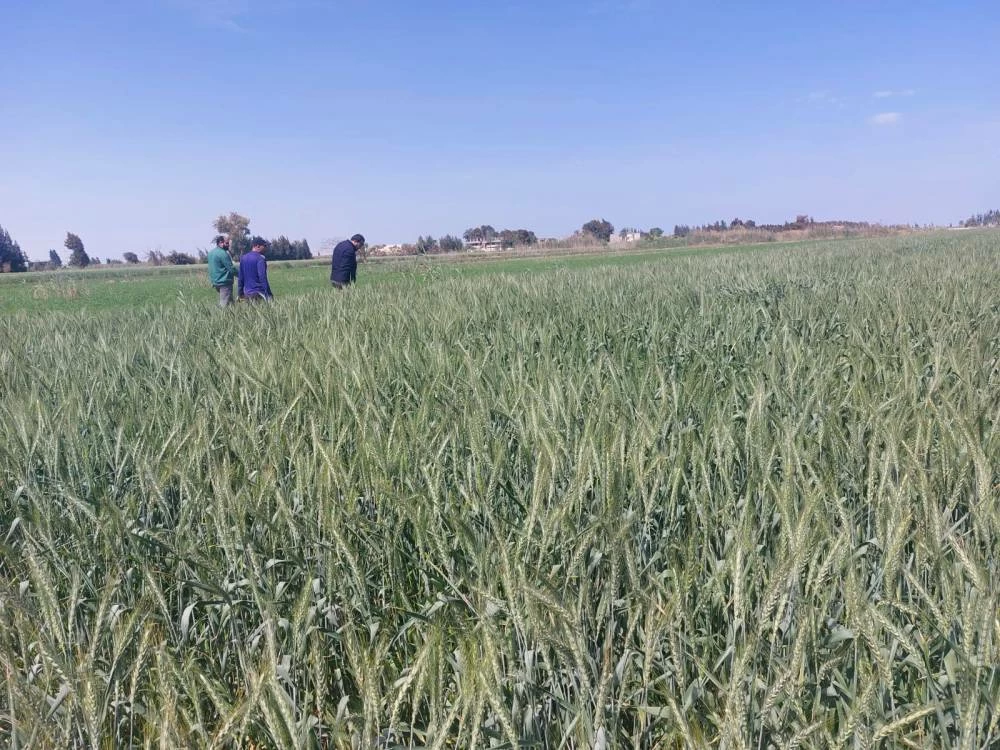
Sheikh Thabet further explained that Islamic law promotes activities that benefit society, such as agriculture, tree planting, and the construction of waterways. These actions not only contribute to the well-being of humans but also of all living creatures. He emphasized that this encouragement does not contradict the concept of asceticism, which is a personal and spiritual matter that does not preclude individuals from pursuing worldly endeavors.
In addition to highlighting the rewards for engaging in beneficial activities, Sheikh Thabet referenced another hadith, which states, "There is no Muslim who plants a tree or sows a crop, and then someone or something eats from it, except that it is a charity for him." This hadith illustrates that any action yielding benefits for others can be considered a charitable act, deserving of reward.
The scholar also discussed the concept of reviving dead land, citing a hadith that states, "Whoever revives dead land, it is for him." He clarified that this refers to transforming barren or unproductive land into a useful resource through agriculture, construction, or the establishment of institutions that serve humanity. Such actions are seen as meritorious and contribute to the overall development of society.
Ultimately, Sheikh Thabet stressed that the Islamic concept of development seeks to establish a balance between human needs and the environment. This approach aims to enhance the quality of life while preserving the earth's resources for current and future generations. By adhering to these principles, Muslims can contribute to the betterment of their communities and the world at large.
Key points
- The scholar cited various hadiths to support his arguments, including one that encourages Muslims to plant trees and engage in agriculture, even in difficult circumstances.