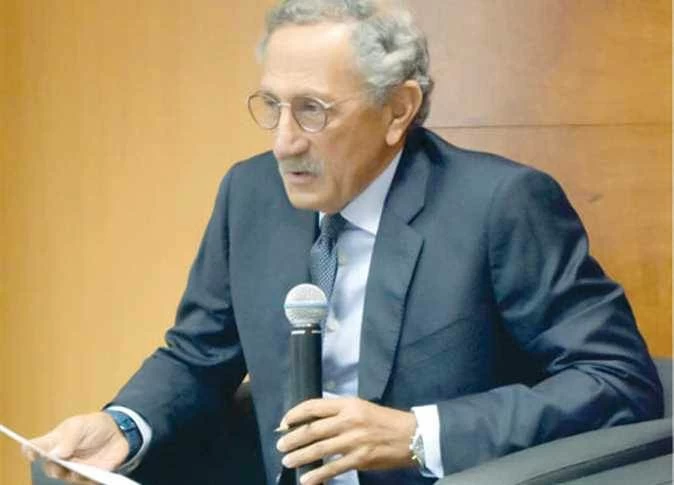
The negative perception of Egypt among European companies, particularly small and medium-sized enterprises (SMEs), is a significant obstacle to attracting more investments from Europe. According to Tarek Tawfik, Deputy Chairman of the Egyptian Industries Federation, this negative image, combined with bureaucratic hurdles, discourages many European investors. Egypt has a strategic location, free trade agreements, and an abundance of labor and energy, making it an attractive destination for investments.
The European Union has around $9.3 trillion in foreign investments, but Egypt's share is minimal. Tawfik noted that large companies can navigate the complexities, but SMEs, which form the backbone of European economies, are deterred by the bureaucratic red tape and complex administrative procedures. The Egyptian government has introduced some reforms in recent years, including changes to tax laws, licensing procedures, and land allocation for industrial purposes.
Tawfik highlighted the disparities in utilizing available opportunities, citing significant investments from China and Turkey in the Suez Canal Economic Zone for export purposes. In contrast, European investors are hesitant due to unfavorable perceptions of the private sector in Europe and the United States. He emphasized that addressing these concerns is crucial to attracting more European investments.
The end of the Extended Fund Facility program with the International Monetary Fund (IMF) is approaching, and traditional rescue factors, guarantees, and exceptional financing are no longer available. This situation necessitates Egypt's economy to become more self-reliant. Tawfik stressed that creating a level playing field for the private sector is a vital issue that requires swift resolution.
Tawfik praised recent reforms in taxation, licensing, and land allocation for industrial policies over the past two years but described them as "individual efforts." He called for a comprehensive government policy to support the private sector. Egypt has a competitive advantage in human capital, with around 800,000 graduates annually, including 270,000 in science, technology, engineering, and mathematics (STEM) fields.
These skilled graduates can support the expansion of industrial and technological investments if linked to a sustainable national policy for vocational education and training. Tawfik emphasized that transforming individual efforts into a cohesive government policy is essential for attracting more investments. The Egyptian government has been working to improve the business environment and attract foreign investments.
The Egyptian Industries Federation is working to promote Egypt's investment opportunities and address the concerns of European investors. A recent report identified 50 promising products, including car parts and pharmaceuticals, that could attract European investments. The report highlighted the potential for growth in various sectors and the need for a coordinated effort to promote Egypt's investment climate.
Key points
- Egypt's share of European investments is less than 0.5% despite its strategic location and trade agreements.
- The negative perception of Egypt among European companies and bureaucratic hurdles discourage many investors.
- Egypt has a competitive advantage in human capital, with around 800,000 graduates annually.