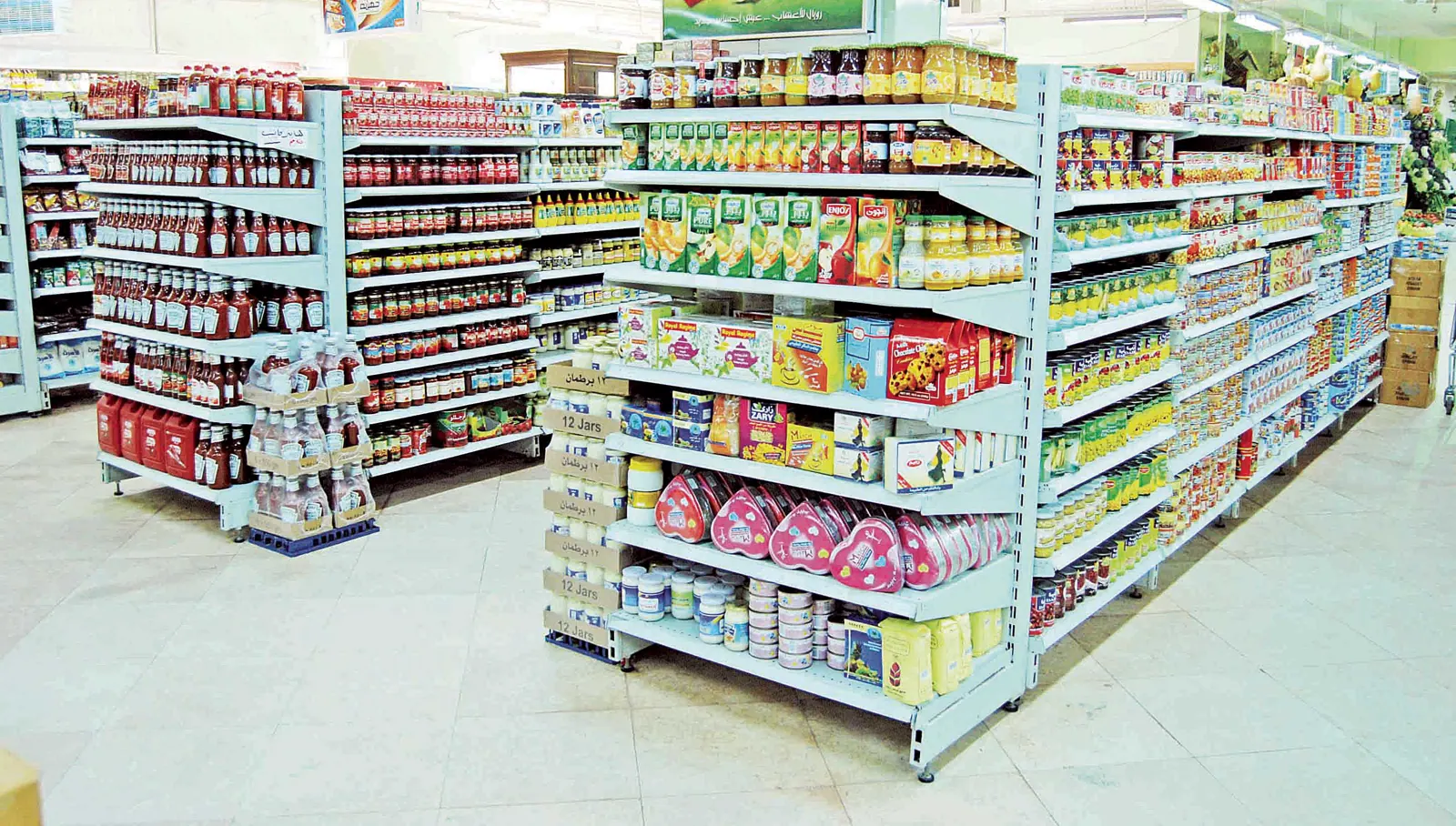
Egypt is experiencing a surge in food prices, with the cost of various products increasing in recent months. According to Mohamed El-Damati, Deputy Head of the Food Industries Chamber at the Egyptian Federation of Industries, the situation is complex and not limited to a specific product. He cited the global economic conditions as a major factor contributing to the price hikes, noting that food prices worldwide have started to rise.
El-Damati appeared on a phone-in interview with Lamis El-Hadidi on her program "Al-Suwar" on the Nahar TV channel. During the interview, he emphasized that it is not feasible to pinpoint a single party responsible for the current price increases. He drew a comparison with the 2022-2023 period when Egypt faced a dollar shortage crisis. At that time, obtaining dollars was challenging and expensive, unlike the current situation.
The industry official expressed that manufacturers are not the cause of the price hikes, stating that everyone is in the same situation and no one is benefiting from the current circumstances. El-Damati mentioned that prices of various raw materials, such as powdered milk, oils, wheat, and concentrates used in juices, have increased. He stressed that the rising costs are a global issue and not specific to Egypt.
El-Damati provided specific examples of price increases, citing a 20% rise in cheese prices over the past two to three months. He attributed this increase to the higher costs of powdered milk and protein globally. The growing global demand for protein, driven by new consumption trends, has contributed to the price surge. Additionally, the rise in natural milk prices, the 10% increase in the dollar's value since the beginning of the year, and higher packaging material costs linked to oil prices have also played a role.
The industry official acknowledged that consumers have the right to feel dissatisfied with the price increases. He also noted that manufacturers are concerned about the impact on citizens' purchasing power and want to maintain a healthy market. However, El-Damati emphasized that companies cannot sustain their current prices given the widening gap in production costs.
El-Damati cited the example of powdered milk, which was priced between $2,400 and $2,600 per ton at the beginning of the year. He stated that the current price could reach $3,600 or more. The significant increase in raw material costs poses a challenge for manufacturers to maintain their prices.
The ongoing global economic challenges are affecting Egypt's food industry, leading to price increases. The situation is being closely monitored by industry officials and consumers alike. As the market continues to evolve, stakeholders are seeking solutions to balance production costs and consumer purchasing power.
Key points
- The rising global food prices are attributed to various factors, including increased demand for protein and higher costs of raw materials.