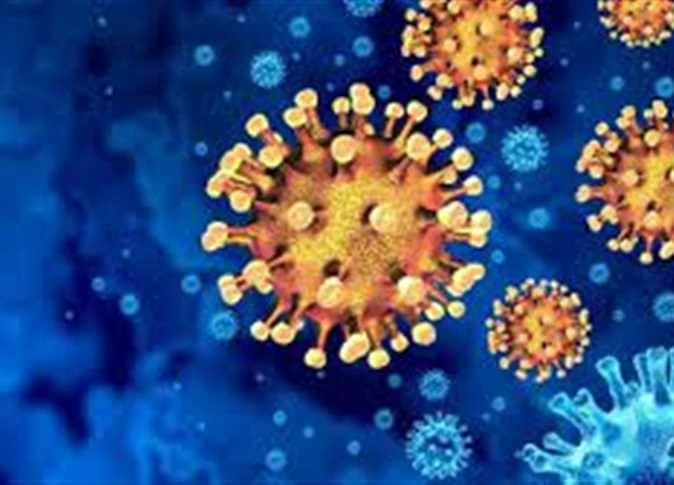
Dr. Mohamed Awad Tag El-Din, Advisor to the Egyptian President for Health and Prevention, has stated that the mutation of viruses and changes in their characteristics is a natural and common phenomenon. He stressed that no highly dangerous viruses or strong mutations have been detected so far that would warrant concern. This reassurance comes amid discussions about the country's readiness to handle emerging health threats.
During a recent television appearance on the program "Your Heart with Gamal Shaaban," Dr. Tag El-Din highlighted Egypt's capabilities in dealing with known and emerging viruses. He noted that some countries have already witnessed the appearance of new viruses, underscoring the importance of preparedness. Egypt, according to him, has the necessary capacity to handle such situations.
The Advisor to the President for Health and Prevention pointed out that the state is ready to deal with any viral developments and has provided vaccines for those in need. He also confirmed that there are no exceptional health problems related to the current weather changes. This preparedness is part of Egypt's strategy to manage public health effectively.
Dr. Tag El-Din explained that viruses, of which there are hundreds of types, share the natural ability to change and mutate. These changes help the virus maintain its ability to survive, spread, and infect as many people as possible. Understanding this aspect of viral behavior is crucial for developing effective public health strategies.
He further elaborated that through genetic and physical changes, a virus can infect the body in new ways, which may cause the immune system to recognize it as a new form. This process is part of the virus's nature and its mechanism for continuing to exist and spread. This adaptive capability of viruses poses a continuous challenge to public health.
A notable example of such viral mutation is the seasonal influenza virus. Dr. Tag El-Din mentioned that this virus changes from year to year, prompting the World Health Organization to update its vaccine regularly to match the circulating strains. This ongoing change necessitates periodic updates to vaccines to ensure their effectiveness.
The current influenza vaccine, for instance, differs from previous ones due to the continuous change in the virus's nature and the strains it targets. Vaccines have a specific validity period linked to their composition and the period during which they target circulating strains. This underlines the importance of staying updated with the latest vaccine versions.
Key points
- Egypt has the capability to deal with known and emerging viruses.
- Viruses naturally mutate to survive and spread, posing a challenge to public health.
- The seasonal influenza vaccine is updated regularly to match circulating strains.