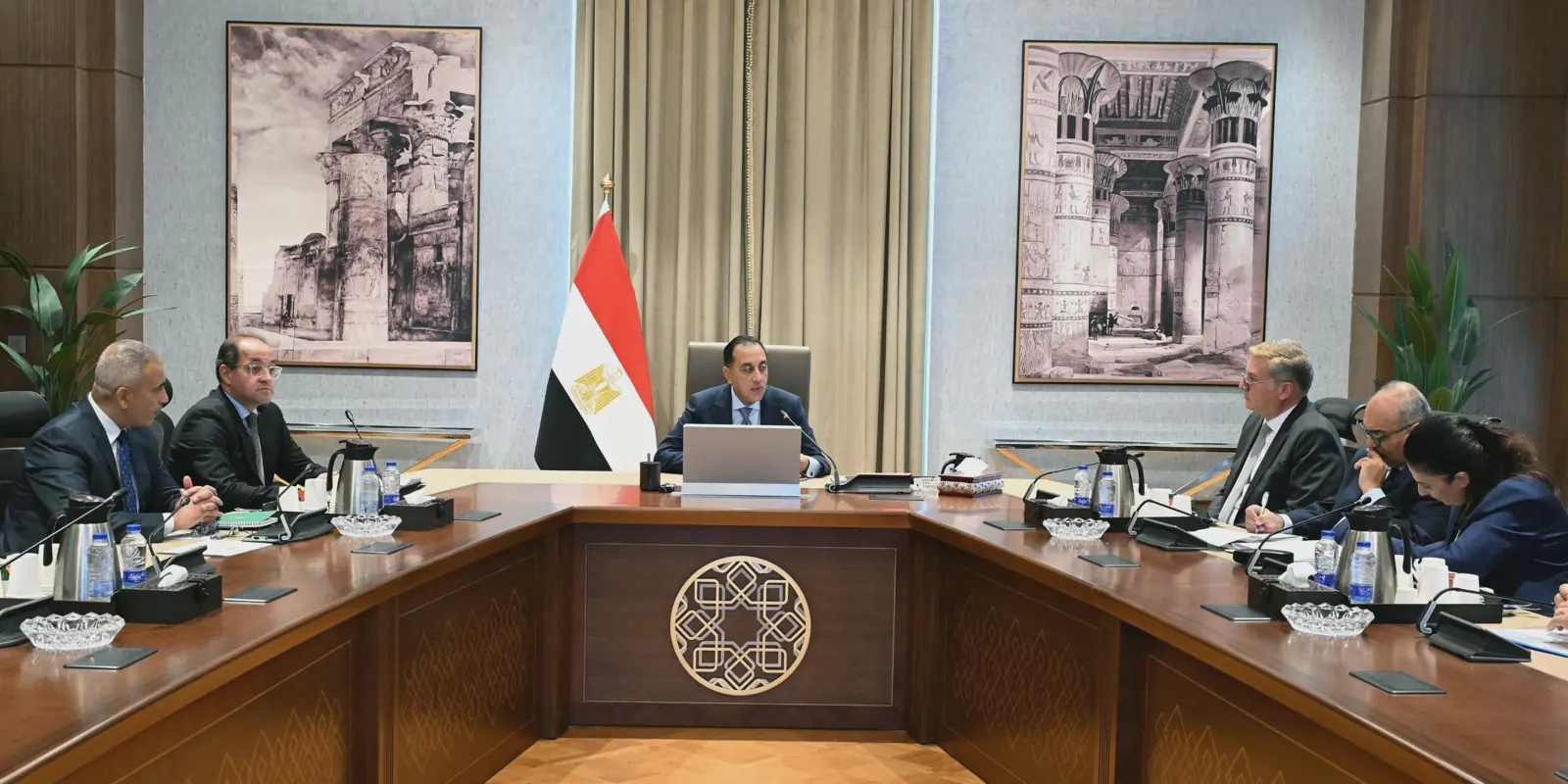
Egyptian Prime Minister Mustafa Madbouly held a meeting on October 6, 2026, to discuss energy security and financial stability with key ministers. The meeting included Finance Minister Ahmed Kujuk, Petroleum and Mineral Wealth Minister Karim Badawi, and Deputy Finance Minister for Financial Policies Yasser Sobhi. The focus was on enhancing energy security, sustaining financial stability, and ensuring the country's petroleum product needs are met.
During the meeting, Madbouly emphasized the government's integrated vision to balance securing a safe and sustainable strategic stockpile of petroleum products and stimulating local production rates. This approach aims to support the national economy and stabilize markets amid geopolitical challenges and uncertainty. The Prime Minister stressed that the government is adopting flexible scenarios for proactive hedging and governance of financial commitments.
Minister Badawi presented an update on the executive position of petroleum product supplies and the expansion of storage capacities. He also discussed securing logistical flows and contracts to guarantee meeting local market needs and various developmental sectors. This comes as the global market faces risks due to fluctuations in oil prices and supply disturbances.
Badawi also confirmed that Egypt will continue to settle its dues to foreign partners in the exploration and mining sectors within the specified timelines. This commitment is expected to enhance confidence in the Egyptian energy sector and encourage international companies to inject new investments and intensify drilling programs.
Finance Minister Ahmed Kujuk reviewed the procedures for settling financial entanglements and governing inter-sectoral accounts between the petroleum sector and the state's treasury. These efforts aim to increase asset management efficiency and sustain financial performance. The ministers are coordinating to secure the country's needs for petroleum products.
The discussions also touched on the importance of sustaining energy supplies and meeting the requirements of development and citizens' needs. The government's approach reflects a proactive stance on managing financial and energy challenges. Egypt's economic policies are focused on achieving stability and growth.
The meeting's outcomes are expected to contribute to maintaining financial and energy stability in Egypt. The government's strategies aim to mitigate the impact of global economic fluctuations and ensure sustainable development. Key aspects include enhancing energy production, securing petroleum supplies, and fostering a stable economic environment.
Key points
- The Egyptian government is adopting flexible scenarios for proactive hedging and governance of financial commitments to ensure energy security and financial stability.