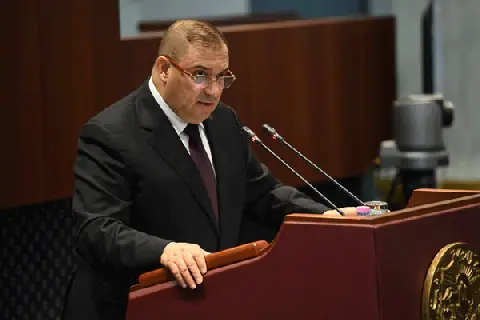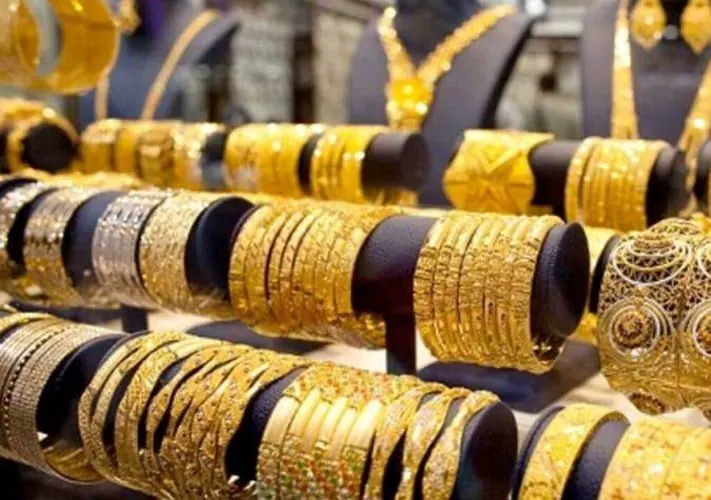
Loutfi Moneeb, deputy head of the Egyptian Gold and Jewelry Division at the Federation of Commercial Chambers, has cautioned against selling gold if there is no pressing need for liquidity. He noted that a one-day decline in gold prices does not necessarily mean a continued downward trend, and prices could rise subsequently. Moneeb expressed uncertainty about alternative investment options for those who sell their gold.
Moneeb discussed the current state of the gold market on a television program, stating that he does not see a better alternative to gold for investment. He explained that gold prices do not move in a constant upward direction, but rather fluctuate, increasing and decreasing in value. The ongoing conflict between Russia and Ukraine is one of the factors that could impact gold prices, particularly if the conflict escalates to involve the European Union or NATO.
Moneeb previously advised against buying gold when prices were extremely high, but now sees it as a viable option due to the current price being reasonable. He anticipates potential changes in gold prices to be within 3-4% in either direction, not comparable to the significant 25% decline that occurred previously. Moneeb considers a repeat of such a substantial drop unlikely.
The recent decline in gold prices is attributed to a global downturn, with the ounce price dropping by approximately 3.5% from its opening value. The price began at $4,285 and reached $4,135, dipping to $4,110 at one point. This volatility has resulted in a market state of uncertainty, with people hesitant to buy or sell gold.
Moneeb explained that significant fluctuations in gold prices lead to a market in a state of wait-and-see, as individuals are uncertain about the future direction of prices. Those holding gold are reluctant to sell, fearing a potential price increase, while potential buyers are hesitant due to uncertainty about whether prices have reached their lowest point.
The relationship between gold prices and crude oil prices was also discussed, with Moneeb noting that an increase in oil prices can lead to higher prices for goods, as oil is a primary source of energy used in production. This can create expectations of rising inflation, which in turn can influence the decisions of central banks, such as the US Federal Reserve, to raise interest rates and strengthen the dollar.
The conventional inverse relationship between the dollar and gold was also highlighted, with a strong dollar typically leading to lower gold prices and vice versa. As the global economic landscape continues to evolve, investors and individuals are advised to exercise caution when making decisions about buying or selling gold.
Key points
- Gold prices are volatile and can fluctuate rapidly due to various factors, including global conflicts and economic trends.
- There are no clear alternative investment options for those selling gold, according to Moneeb.
- The relationship between gold and the dollar is inversely correlated, with a strong dollar typically leading to lower gold prices.