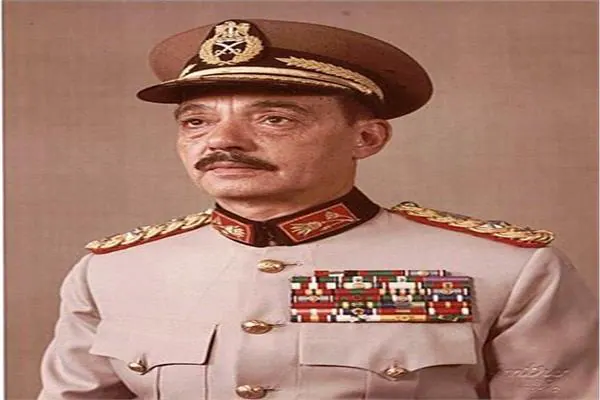
Egyptian General Mohamed Abd al-Ghani al-Gamasy, a key figure in the 1973 Arab-Israeli War, recently shared his experiences during the conflict. In an interview with a Egyptian magazine published in 1998, al-Gamasy recounted his 22 days under ground in a operations center. As the head of operations, he was required to remain under ground and was unable to witness the events of the war firsthand. Despite this, he remembered the anxiety he felt in the days leading up to the war, particularly on October 5 and 6, 1973.
Al-Gamasy's anxiety during the pre-war period was fueled by concerns that Israel might discover Egypt's plan to launch a surprise attack. He recalled that on October 5, 1973, he believed Israel would likely launch a preemptive strike if they had detected Egypt's preparations. However, as the hours passed on October 6, 1973, his concerns began to dissipate. On that day, he received multiple calls from Ahmed Ismail, the then-minister of war, inquiring about the status of Israel's awareness of Egypt's plans.
General al-Gamasy played a crucial role in the 1973 war, serving as the head of operations for the Egyptian military. His responsibilities included overseeing the planning and execution of the war strategy. Born on September 9, 1921, in the village of Al-Batnan, Minufiya governorate, al-Gamasy graduated from the Military College in 1939. He went on to hold various positions within the Egyptian military, including serving in the cavalry and intelligence corps.
Al-Gamasy's military career spanned several decades, during which he participated in numerous significant events. In 1951, he attended the College of Command and Staff, graduating at the top of his class. He then served in various tactical roles, eventually becoming the commander of the 2nd Armored Brigade in 1959. Al-Gamasy's expertise in military operations and intelligence led to his appointment as head of operations for the Egyptian Armed Forces in January 1972.
As head of operations, al-Gamasy was instrumental in planning the 1973 war. He worked closely with other high-ranking officials to develop a comprehensive strategy, which ultimately contributed to Egypt's success in the conflict. For his efforts, al-Gamasy was awarded the Order of the Nile, among other honors. After the war, he continued to serve in prominent roles, becoming the chief of staff of the Egyptian Armed Forces in December 1973.
Al-Gamasy's reflections on the 1973 war provide valuable insights into the strategic thinking and planning that underpinned Egypt's military campaign. His experiences and perspectives offer a unique window into the events of that period, highlighting the complexities and challenges faced by Egyptian military leaders. Throughout his career, al-Gamasy demonstrated exceptional leadership and strategic thinking, earning him a reputation as one of Egypt's most distinguished military figures.
General Mohamed Abd al-Ghani al-Gamasy passed away on June 7, 2033, leaving behind a legacy as a skilled military strategist and a key architect of Egypt's victory in the 1973 war. His contributions to Egyptian military history remain significant, and his reflections on the 1973 conflict continue to offer valuable lessons for military historians and strategists.
Key points
- Egyptian General Mohamed Abd al-Ghani al-Gamasy spent 22 days under ground during the 1973 Arab-Israeli War.
- Al-Gamasy played a crucial role in planning and executing Egypt's military strategy during the 1973 war.
- He was awarded several honors for his contributions to Egypt's success in the conflict, including the Order of the Nile.