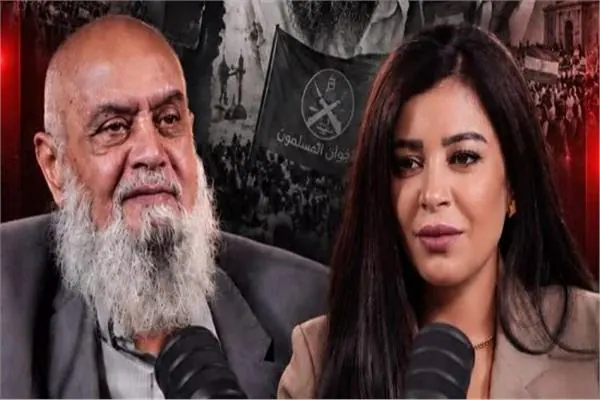
In a recent episode of the podcast "Hekawey" with journalist Amr El-Hanafi, Nabil Naim, a former leader of the Egyptian militant group Jihad, expressed remorse for his role in the 1981 assassination of President Anwar El-Sadat. Naim, who was involved in the case known as the "Greater Jihad Case," acknowledged that the group's decision to kill Sadat was a mistake. He stated that after 45 years, he has come to view the event differently and offered a formal apology to Sadat's family and the Egyptian people.
Naim's apology comes as a significant development, particularly given his past involvement with extremist groups. He emphasized that if Ayman Al-Zawahiri, a prominent leader of Jihad and Al-Qaeda, were alive, he too would offer a formal apology to Sadat's family and the Egyptian people. Naim's reflections on his past actions and those of his former associates provide a unique insight into the evolution of his thoughts and the transformations he has undergone.
During the podcast, Naim discussed his experiences within extremist groups and his relationships with key figures, including Osama bin Laden. He also shared his current perspectives on the ideologies and groups he was previously associated with. Naim's narrative offers a critical examination of his past and the events that shaped his worldview, including the 1948 Palestine war and the role of the Muslim Brotherhood.
Naim was critical of the Muslim Brotherhood, describing it as "the biggest lying group." He also addressed his views on Ayman Noor and criticized several Egyptian media personalities living abroad, including Mohamed Nasser, Motaz Matar, and Osama Gawish, labeling them as "pseudo-intellectuals." These statements reflect Naim's current stance on various issues and individuals he has encountered throughout his life.
The podcast episode featuring Naim's reflections provides an in-depth look at his journey within extremist groups and his subsequent reassessment of past events. His statements underscore a significant shift in his perspective, particularly regarding the assassination of President Sadat. Naim's apology and critical views on his former affiliations and associates highlight the complexities of his experiences and the evolution of his ideology.
Key to understanding Naim's transformation is his acknowledgment of the mistakes made by his former group. By expressing remorse for the assassination of President Sadat, Naim takes a crucial step towards accountability. His reflections also offer a broader critique of extremist ideologies and the groups he was once part of, providing valuable insights into the dynamics of such movements.
The interview with Naim concludes by highlighting the significance of his reflections on past events and his current perspectives. His statements serve as a testament to the potential for personal growth and change, even in the face of deeply ingrained ideologies. As Naim navigates his past and present, his narrative contributes to a nuanced understanding of the complexities surrounding extremist groups and their impact on individuals and society.
Key points
- Nabil Naim apologizes for his role in the assassination of President Anwar El-Sadat.
- Naim expresses remorse for the harm caused by his former group and acknowledges the mistakes made.
- The former militant leader critiques extremist ideologies and groups he was previously associated with.