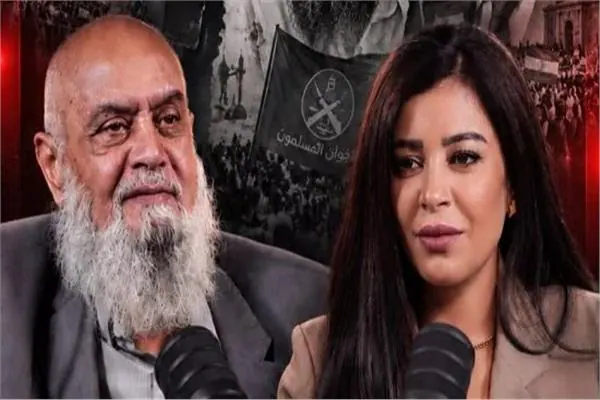
In a recent interview on the Egyptian podcast "Hekawati," Nabil Naim, a former leader of the Egyptian militant group Al-Jihad, expressed remorse for his role in the assassination of President Anwar El-Sadat in 1981. Naim, who was one of the individuals accused in the case known as the "Al-Jihad Case," stated that he and his organization were mistaken in their actions and that he now regrets the killing of the former president.
According to Naim, after nearly 45 years have passed since the assassination, he has come to view the event in a different light. He emphasized that he is extending an apology to El-Sadat's family and the Egyptian people, acknowledging that his organization's actions were misguided. Naim also stated that if Ayman Al-Zawahiri, a prominent leader of Al-Jihad and Al-Qaeda, were still alive, he too would offer a formal apology to El-Sadat's family and the Egyptian people.
During the interview, Naim discussed his experiences within militant organizations and his relationships with key figures, including Osama bin Laden. He also shared his current perspectives on the ideologies and organizations he was previously associated with. Naim expressed strong criticism towards the Muslim Brotherhood, describing it as "the biggest lying group."
Naim's comments also touched on his views regarding the role of the Muslim Brotherhood during the 1948 Arab-Israeli War. His statements reflect his personal assessment and account of historical events. Furthermore, Naim directed criticism at several Egyptian media personalities living abroad, including Mohamed Nasser, Motaz Matar, and Osama Gawish, labeling them as "pseudo-reformists."
The interview provided insight into Naim's journey within militant organizations and his current reflections on past events and decisions. His statements have sparked significant interest and debate in Egypt and beyond. The podcast "Hekawati" has been a platform for Naim to share his experiences and perspectives with a wider audience.
Naim's apology and reflections come at a time when many Egyptians continue to grapple with the legacy of violence and militancy that has affected the country over the years. His comments are seen as a significant development in the ongoing conversation about the country's past and its impact on the present.
Key points from Naim's interview include his apology for the assassination of President El-Sadat, his criticism of the Muslim Brotherhood, and his reflections on his past experiences within militant organizations. These statements are likely to continue generating discussion and debate in Egypt and internationally.
Key points
- Nabil Naim apologizes for his role in the assassination of President Anwar El-Sadat.
- Naim expresses remorse and acknowledges the mistake of his organization's actions.
- He also criticizes the Muslim Brotherhood, describing it as "the biggest lying group."