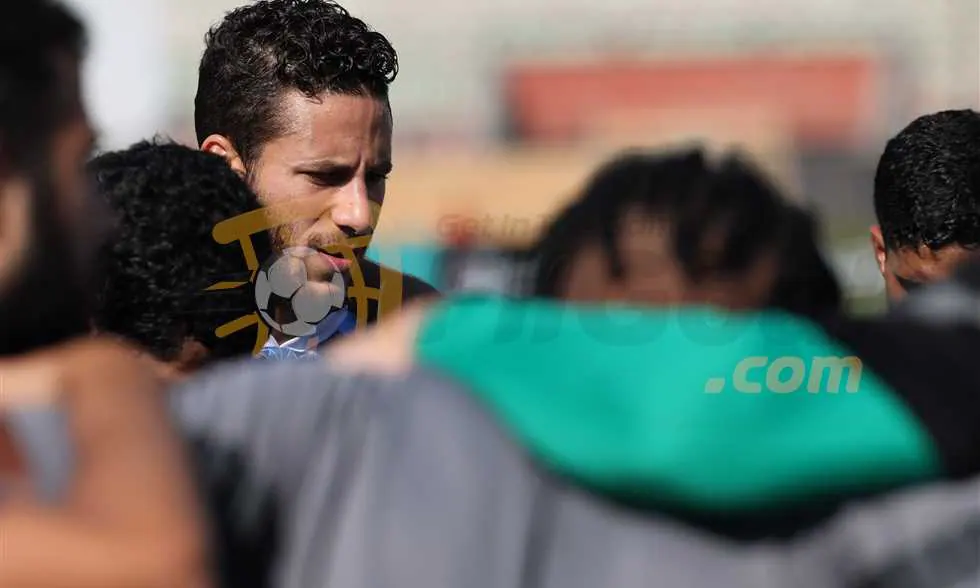
The family of Egyptian footballer Ramadan Sobhi is waiting for documents from the Federal Court regarding his doping ban. According to FilGoal.com, the court has rejected the player's appeal, resulting in a four-year ban from professional football, set to last until 2029. The ban, imposed by the International Organization for Anti-Doping, stems from discrepancies found in a doping test sample provided by Sobhi.
Ramadan Sobhi's family is yet to receive the court's documents and reasons behind the ban. His father-in-law, Ekrami El-Shahat, stated that once they receive the papers, they will assess the situation and decide on their next move. El-Shahat expressed that there is no possibility of appealing the ban. Sobhi's ban prevents him from engaging in any football-related activities, including training with teams or using sports facilities.
Amidst the ongoing ban, rumors have surfaced about Sobhi potentially joining the Cypriot football league. El-Shahat responded to these rumors, stating he had not previously heard of the possibility but expressed a casual wish for Sobhi to pursue the opportunity. The Cypriot league, specifically the Northern Cyprus league, is a professional competition but is not recognized by FIFA or the Union of European Football Associations.
This lack of recognition might provide Sobhi with an opportunity to play without facing additional penalties. However, his current ban remains in effect, preventing him from participating in professional football until 2029. The International Organization for Anti-Doping decided on the ban after finding issues with Sobhi's doping test sample.
The ban on Ramadan Sobhi has significant implications for his career and his current team, Pyramids FC. Recently, Pyramids FC announced the termination of Sobhi's contract. The situation has garnered substantial attention in Egyptian football circles, with fans and sports analysts closely following developments.
Sobhi's case highlights the strict stance of anti-doping organizations and the potential consequences for athletes found guilty of doping offenses. The case also raises questions about the complexities of international sports regulations and the challenges athletes face when dealing with bans and appeals.
As Ramadan Sobhi's family awaits the court's documentation, the football community remains engaged with the case. The outcome may have implications for how doping cases are handled in Egyptian and international football. Key points include the rejection of Sobhi's appeal, the four-year ban, and the potential for Sobhi to play in the Cypriot league.
Key points
- The International Organization for Anti-Doping has banned Ramadan Sobhi for four years due to a doping offense.
- Sobhi's family is awaiting court documents to determine their next steps.
- Rumors suggest Sobhi might join the Cypriot football league, which could offer him a chance to play despite his ban.