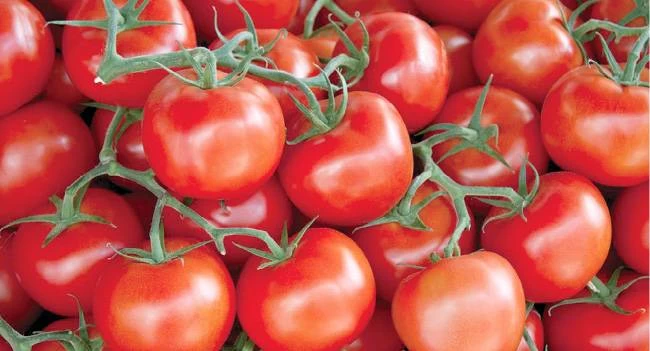
Egyptian farmers, particularly those growing tomatoes, have reported extensive damage to their crops due to infestations of the "tomato worm" or "tuta absoluta." Hussein Abu Sadam, head of the Egyptian Farmers' Syndicate, stated that numerous complaints have been received from farmers across the country, emphasizing the need for immediate action to address the issue. He stressed that any damage to crops, regardless of the extent, requires a prompt response from the Ministry of Agriculture.
Abu Sadam explained that the problem is not limited to a specific percentage of damaged crops, but rather a widespread issue affecting many farmers. He noted that even if only one feddan of land is affected, the Ministry of Agriculture should intervene to address the problem. The issue is not just about the quantity of damaged crops but also the impact on farmers' livelihoods. Farmers are experiencing losses due to the infestations, which can have long-term consequences for their businesses.
According to Abu Sadam, the tomato worm infestation has destroyed around a quarter of the tomato crop. He emphasized that the goal of raising awareness about the issue is to highlight the losses suffered by farmers. Abu Sadam also discussed the potential impact on tomato prices, stating that they may rise or fall, but any predictions are currently inaccurate. The situation is being closely monitored, and efforts are being made to mitigate the effects of the infestations.
The Egyptian Farmers' Syndicate head also discussed methods for controlling the tomato worm, stating that available pesticides are often ineffective. He noted that experts have reported that the worms can develop resistance to pesticides after a single or double application. This has led to concerns about the long-term effectiveness of current control methods and the need for alternative solutions.
Hatem El-Najib, deputy head of the Vegetables and Fruits Chamber of Commerce, offered a different perspective on the issue, stating that the recent increase in tomato prices is due to the end of the summer season and the start of the winter season. He emphasized that the market is not experiencing a crisis in tomato production and that prices are determined by supply and demand. El-Najib warned against speculation about future price increases, stating that such predictions are unfounded.
El-Najib also addressed the issue of crop damage, stating that all crops can be affected by pests, but the extent of the damage is often exaggerated. He questioned the accuracy of reports suggesting that 70% of the tomato crop has been damaged, calling such claims "a big mistake." The Chamber of Commerce is working to provide accurate information and promote a better understanding of the situation.
In response to the concerns raised by farmers and industry experts, the Egyptian government has issued a statement denying claims that 70% of the tomato crop has been damaged by the tomato worm. The Ministry of Agriculture and Land Reclamation stated that the actual damage is within acceptable economic limits and that measures are being taken to control the infestations. The government has launched a national campaign to combat the pest, including providing technical support and implementing demonstration fields and awareness programs.