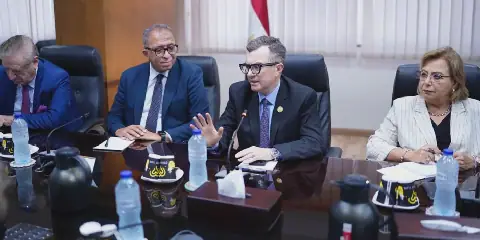
In recent years, the Muslim Brotherhood's media outlets have increasingly relied on anonymous sources and leaks to spread information and create a sense of intrigue. However, experts argue that this tactic is often used to manipulate public opinion and discredit institutions. According to Dr. Hisham Mustafa Abdel Aziz, head of the Reform and Renaissance Party, the use of phrases like "private sources" and "leaks" is a deliberate attempt to create a false sense of credibility and importance.
The use of anonymous sources has become a hallmark of the Muslim Brotherhood's media strategy, with many outlets relying on unverified claims and speculation to create a sense of drama and urgency. Experts argue that this approach is designed to exploit the public's desire for information and create a sense of uncertainty and fear. By using phrases like "exclusive leaks" and "confidential information," these outlets aim to create a sense of credibility and authority, despite lacking concrete evidence to support their claims.
The dangers of this approach are particularly acute when it comes to issues of national security, economic stability, and institutional integrity. By spreading unverified information and speculation, these outlets can create a sense of panic and undermine public trust in institutions. According to Dr. Abdel Aziz, the use of anonymous sources is a deliberate attempt to create a sense of doubt and uncertainty, which can have serious consequences for the country's stability and security.
Experts argue that the Muslim Brotherhood's media strategy is designed to create a sense of confusion and uncertainty, making it difficult for the public to distinguish between fact and fiction. By using anonymous sources and unverified claims, these outlets aim to create a sense of ambiguity and doubt, which can be exploited for political gain. This approach is particularly effective in the age of social media, where information can spread quickly and be amplified by multiple outlets.
The use of anonymous sources also undermines the credibility of legitimate journalism and creates a sense of cynicism among the public. When outlets rely on unverified claims and speculation, they risk damaging their reputation and eroding trust with their audience. In contrast, reputable journalism relies on verifiable evidence and credible sources to build trust and credibility with the public.
To combat the spread of misinformation and disinformation, experts recommend a critical approach to information and a commitment to verifiable evidence. By promoting a culture of critical thinking and media literacy, Egyptians can better navigate the complex media landscape and make informed decisions about the information they consume. This requires a concerted effort from media outlets, civil society, and government to promote a culture of transparency and accountability.
Ultimately, the use of anonymous sources and unverified claims in media is a symptom of a broader problem – the erosion of trust in institutions and the manipulation of public opinion. To address this issue, Egypt's media landscape must prioritize transparency, accountability, and verifiable evidence, and reject the use of anonymous sources and speculation as a means of spreading information.
Key points
- The Muslim Brotherhood's use of anonymous sources and leaks is a deliberate attempt to create a false sense of credibility and importance, and to manipulate public opinion.
- The use of anonymous sources undermines the credibility of legitimate journalism and creates a sense of cynicism among the public.
- To combat the spread of misinformation and disinformation, Egyptians must prioritize a culture of critical thinking and media literacy.