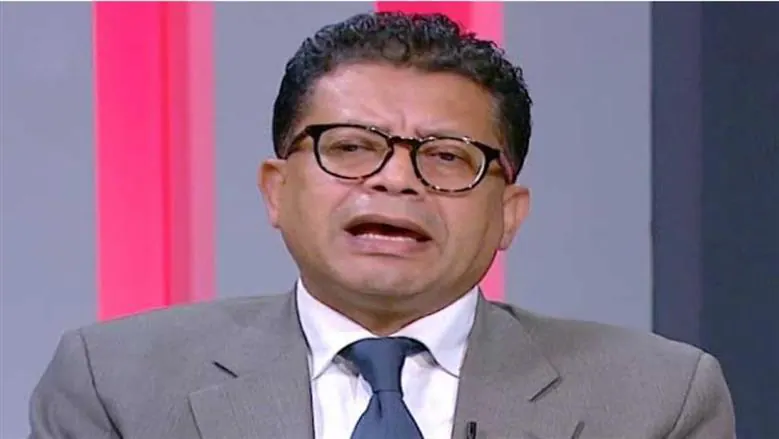
Dr. Ashraf Sanjar, an Egyptian professor of international relations, has weighed in on the current negotiations between the US and Iran. According to Sanjar, the two nations are entering talks with strong bargaining chips. This comes after Iran announced its readiness to counter a potential new US attack, while US President Donald Trump mentioned a new round of negotiations in the coming days. Sanjar's comments were made during a phone interview with Extra News.
Sanjar described the situation as a "strategic bargaining" process, where each side seeks to achieve the greatest possible gains. He noted that Iran is holding onto several key cards, including the Strait of Hormuz, and is demanding the lifting of sanctions and a ceasefire. In response, the US is pushing for guarantees of freedom of navigation and a return to its demands for nuclear concessions and broader security conditions.
The US aims to prevent Iran from becoming a significant regional power that could threaten Israel. Sanjar emphasized that the American vision for security in the Middle East is complicated by the presence of major regional players like Egypt, Turkey, and Iran. He warned that the ongoing state of limbo, neither peace nor war, is detrimental to both the US and Iran, but has a more profound impact on the Arab region.
Sanjar's analysis suggests that the negotiations are a delicate balancing act, with each side trying to maximize its leverage. The professor highlighted that Iran's continued influence in the region, coupled with its nuclear ambitions, has raised concerns in Washington. Meanwhile, the US has maintained a tough stance on Iran, including the reimposition of sanctions and a significant military presence in the region.
The negotiations between the US and Iran have significant implications for regional stability. Sanjar noted that a breakdown in talks could lead to increased tensions, potentially drawing in other regional actors. He emphasized that a peaceful resolution would require a willingness from both sides to compromise on key issues.
The Egyptian professor's comments come amid heightened tensions between the US and Iran. The two nations have been at odds since the US withdrew from the Joint Comprehensive Plan of Action (JCPOA) in 2018. Sanjar's analysis underscores the complexity of the negotiations and the challenges that lie ahead.
As the negotiations continue, Sanjar's insights provide valuable context for understanding the dynamics at play. The professor's emphasis on the strategic bargaining process and the need for compromise on key issues highlights the difficult road ahead for both the US and Iran.
Key points
- Dr. Ashraf Sanjar says US and Iran are entering negotiations with strong bargaining chips.
- The negotiations between the US and Iran have significant implications for regional stability.
- A peaceful resolution will require a willingness from both sides to compromise on key issues.