Egyptian expert on Iranian affairs, Hassan Sbeiti, has offered a unique perspective on the chances of reaching an agreement, emphasizing that any settlement will continue to face significant hurdles as long as the Gaza front remains under occupation. This viewpoint comes amid ongoing efforts to negotiate a resolution. According to a report by the Cairo News Channel, Sbeiti's comments have sparked interest in the role of Gaza in determining the trajectory of negotiations.
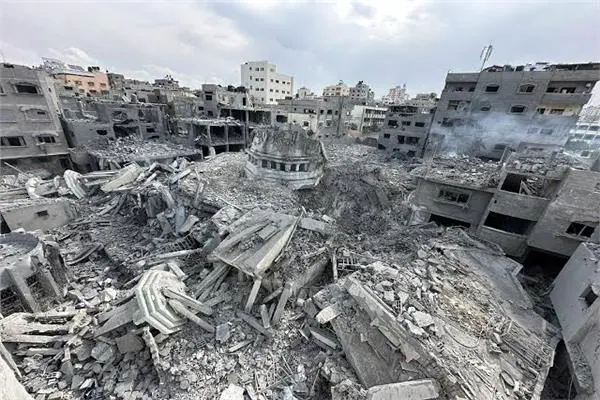
The situation in Gaza has been a longstanding point of contention, with many experts arguing that a lasting resolution to the Israeli-Palestinian conflict is crucial to achieving stability in the region. Recently, Palestinian Minister of Public Works and Housing, Ahed Bseiso, highlighted the dire humanitarian and field situation in the Gaza Strip, which has reached a catastrophic level due to the ongoing war and challenges in stabilizing a ceasefire.
The war in Gaza has led to significant human suffering, with thousands of casualties and a massive displacement of people. The Palestinian minister emphasized that approximately two million people are living in 30% of the Gaza Strip's area, underscoring the urgent need for a peaceful resolution. These developments have raised concerns about the potential for a broader conflict in the region.
Against this backdrop, Hassan Sbeiti's comments suggest that the future of the Iran agreement is closely tied to the situation in Gaza. Any progress on the agreement will likely depend on the developments on the ground in Gaza. This viewpoint underscores the complex interplay between regional conflicts and international diplomacy.
The Iranian nuclear agreement has been a subject of intense debate and negotiation for years, with various countries, including the United States, playing a significant role in the talks. The agreement's prospects have been influenced by a range of factors, including regional dynamics and domestic politics.
The situation in Gaza has also drawn attention from other global players, including China. Recently, Chinese President Xi Jinping emphasized the importance of a partnership between Washington and Beijing in addressing global challenges, including the potential for conflict between the United States and Iran.
As the situation in Gaza continues to unfold, experts and policymakers will be closely watching the impact on regional and international relations. The interplay between the Gaza conflict and the Iran agreement will likely remain a critical area of focus in the coming weeks and months.
Key points
- The situation in Gaza is a significant obstacle to reaching an agreement on Iran.
- The humanitarian crisis in Gaza has reached catastrophic levels.
- The future of the Iran agreement is closely tied to developments in Gaza.