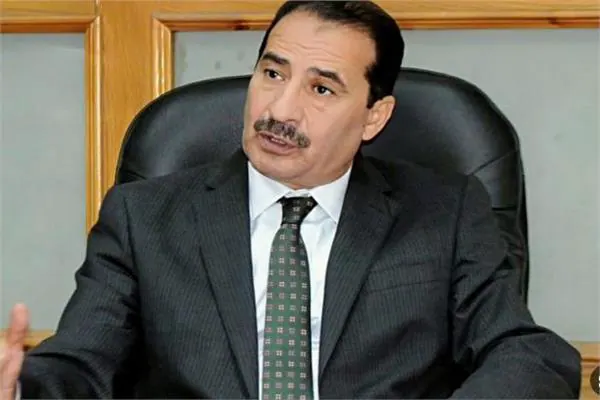
Dr. Adly Saeedawi, a member of the Egyptian Council for Foreign Affairs, has highlighted the importance of integration among African nations to achieve self-sustained development. According to Saeedawi, Africa is a promising continent with the potential to realize its development goals through the collective efforts of its nations and peoples. He emphasized that the continent's aspirations for Agenda 2063 will not be fulfilled without collaborative work and cooperation among its 54 countries.
Saeedawi praised President Abdel Fattah El-Sisi for laying out a roadmap for development and growth, enabling Africa to achieve its ambitions. He stressed that nations have the right to utilize their resources for development purposes, provided that this does not harm neighboring countries or partners sharing the same resources, in accordance with international law. The Egyptian expert also underscored the President's emphasis on non-interference in internal affairs, good neighborliness, and respect for sovereignty.
In a phone interview with Extra News, Saeedawi highlighted the significance of economic, political, and humanitarian integration to unlock Africa's potential and achieve its goals. He pointed out that the African Continental Free Trade Area is crucial for facilitating trade, investment, and economic activities, with the aim of transforming the continent into a manufacturing hub rather than merely exporting raw products. Currently, intra-African trade accounts for only 15% of the continent's total exports to the outside world.
Saeedawi noted that Africa possesses substantial resources and capabilities that remain untapped. However, local conflicts, instability, limited self-investment capacity, and inadequate infrastructure connectivity hinder development. Additionally, the continent faces challenges such as heavy debt burdens, lack of industrial diversification, and border disputes between nations. These factors collectively impede Africa's progress toward achieving its development objectives.
The African Continental Free Trade Area, which came into effect in 2020, aims to create a single, unified market for the continent. This agreement seeks to boost intra-African trade, promote economic integration, and increase the continent's global competitiveness. By streamlining trade and investment processes, African nations hope to unlock new opportunities for growth and development.
Saeedawi's remarks underscore the critical role that cooperation and integration play in Africa's development trajectory. As the continent continues to grapple with various challenges, the need for collective action and collaboration among nations has become increasingly evident. By working together, African countries can harness their resources, expertise, and potential to drive sustainable development and achieve their long-term goals.
The emphasis on African integration and cooperation comes at a time when the continent is seeking to address pressing issues such as poverty, inequality, and infrastructure deficits. As African nations strive to achieve the United Nations' Sustainable Development Goals, the importance of collaboration, mutual support, and collective problem-solving will only continue to grow. By prioritizing integration and cooperation, Africa can unlock its full potential and create a brighter future for its people.
Key points
- Dr. Adly Saeedawi stresses African integration as key to achieving development goals
- Africa's intra-continental trade currently stands at only 15% of total exports
- The African Continental Free Trade Area aims to boost intra-African trade and promote economic integration