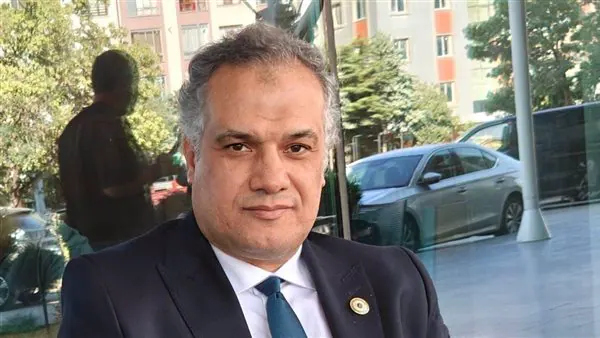
Egyptian expert Hisham El-Naggar, a specialist in terrorism and religious thought at the Ahram Center for Studies, has stated that the Egyptian political leadership and some Arab countries have dealt with the Muslim Brotherhood over a century from different perspectives, based on the "containment of the prodigal son" theory. The state has viewed members of the organization as citizens whose ideas and behaviors have deviated, and has attempted to bring them back on track and integrate them nationally.
El-Naggar noted that during the era of President Gamal Abdel Nasser, the late president and state institutions were aware of the plots the Brotherhood was involved in and its collaboration with external entities. However, Nasser attempted to review and push them to return to national awareness in the early days of the revolution, but to no avail.
Under President Anwar El-Sadat, El-Naggar said that Sadat took the approach to its limits, releasing the Brotherhood from prison after a period of organizational madness and enabling them to access pulpits, mosques, and public work. He expected the Brotherhood to reform itself but instead, they responded with conspiracy and takfiri ideology.
During Hosni Mubarak's era, El-Naggar stated that Mubarak granted the Brotherhood unprecedented political and economic expansion and influence, thinking that giving them privileges would cut their ties with external conspiracies and curb their excesses. However, their lust for power, persistent delusions, and trans-border allegiance remained directed towards destruction, not construction.
El-Naggar mentioned that the state thought giving the "deviant child" something to distract it might prevent a catastrophe, until attempts at appeasement peaked with allowing them a temporary rise to power. This was a historic scene where those who participated in killing President Sadat and attempted to assassinate others took center stage.
According to El-Naggar, what happened after 2011 is entirely different from what came before; there was no longer room for the "containment" approach. Since then, the Western and regional expansionist conspiracy under titles such as the "Greater Middle East" or "Greater Israel" moved from secret planning rooms to actual implementation.
El-Naggar concluded that the Muslim Brotherhood accepted being an old, renewed tool for implementing this satanic plan following a clear, wicked deal. External powers granted them legitimacy and international recognition for limited governance in exchange for allowing the Brotherhood to pass on conspiracies that national leaders have long thwarted to protect sovereignty and historical rights.
Key points
- The Muslim Brotherhood's actions have led to a significant shift in how the Egyptian state and its leaders view and interact with the group.
- Expert Hisham El-Naggar attributes the failure of containment to the Brotherhood's persistent pursuit of power and external allegiances.
- El-Naggar views the Brotherhood's actions post-2011 as a form of "great treason and complete treachery".