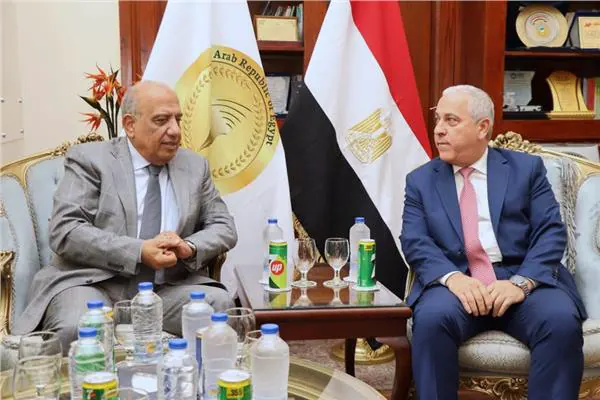
Egypt's energy sector has witnessed significant progress in recent years, with the country working to enhance its position as a regional energy hub. The Egyptian government, under the leadership of President Abdel Fattah El-Sisi, has made substantial investments in the sector, aiming to ensure energy security and meet the country's growing demands. A recent seminar organized by the National Press Authority, led by Engineer Abdel Sadek El-Shorbagi, brought together key stakeholders to discuss the sector's achievements and challenges.
During the seminar, Dr. Mahmoud Essmat, Minister of Electricity and Renewable Energy, highlighted the sector's remarkable growth, with a 35,000-megawatt increase in power generation capacity over the past decade. This growth has been driven by a diverse energy mix, including thermal, renewable, and new energy sources. Notable projects, such as the 14,400-megawatt Benin, El-Berulus, and New Administrative Capital power plants, have been completed in partnership with Siemens.
The minister emphasized the importance of renewable energy, citing the successful implementation of wind and solar power projects. Egypt has added 3,000 megawatts of wind power and 4,000 megawatts of solar power, with plans for future projects, including 12,000 megawatts of wind power and 8,720 megawatts of solar power. The integration of advanced technologies, such as energy storage systems, has also enhanced the grid's stability and reliability.
The El-Dabaa nuclear power plant, a major national project, is progressing steadily, with the aim of generating 4,800 megawatts of clean and stable energy. Once completed, the plant is expected to save approximately 8 billion cubic meters of natural gas annually and produce 38,000 gigawatt-hours of electricity. The project is a significant step towards diversifying Egypt's energy sources and ensuring a sustainable energy future.
Dr. Essmat also discussed the ongoing efforts to upgrade and expand the national grid, with a focus on enhancing transmission lines, substations, and control centers. The grid has undergone significant development, with a 42,000-kilometer increase in transmission lines and a 240,000-megawatt expansion of substation capacities. These upgrades have improved the grid's efficiency, reliability, and resilience.
The minister highlighted the importance of providing reliable energy supplies to support economic growth and development. In the agricultural sector, the ministry has provided electricity to major irrigation and investment projects, including the New Delta project, which aims to reclaim 2.5 million feddans of land. The provision of electricity has helped promote food security and attract investments.
Egypt's efforts to enhance regional cooperation and electricity exchange were also discussed. The country is working to strengthen its position as a regional energy hub, with plans to interconnect with neighboring countries and expand its electricity trade. The seminar concluded with a call for continued collaboration between the government, media, and stakeholders to address the sector's challenges and capitalize on its opportunities.
Key points
- Egypt's energy sector has seen significant progress under Minister Dr. Mahmoud Essmat's leadership, with major investments in renewable energy and grid expansion.
- The El-Dabaa nuclear power plant is a major national project aimed at generating clean and stable energy.
- Egypt is working to enhance regional cooperation and electricity exchange, strengthening its position as a regional energy hub.