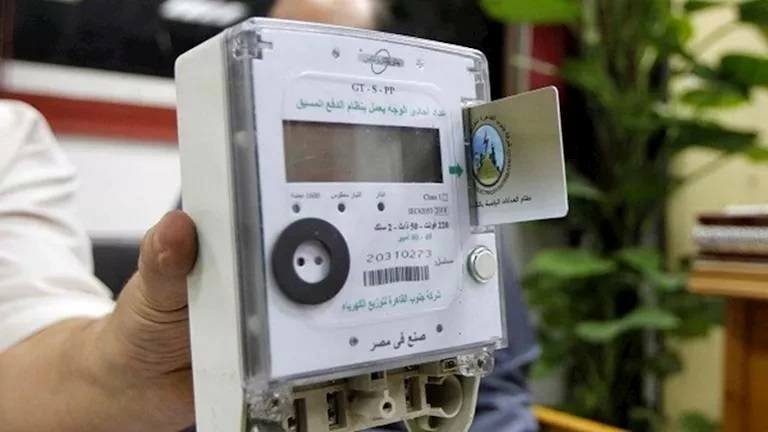
Egyptian electricity companies are warning users of prepaid meters against several key offenses that could result in fines and penalties. The companies are conducting regular inspection campaigns to ensure the safety of meters and electrical connections, and to prevent any tampering or unauthorized connections. These campaigns aim to maintain the safety of the network and ensure uninterrupted service to subscribers.
The companies have identified six key offenses that users should be aware of to avoid any issues. These offenses include operating devices with loads that exceed the meter's capacity, tampering with the meter or removing seals, and leaving the meter uncharged for an extended period. Users are advised to be aware of these offenses to avoid any fines or penalties.
One of the key offenses is operating devices with loads that exceed the meter's capacity. Users are warned not to operate devices or equipment with loads that exceed the predetermined capacity of the prepaid meter without obtaining approval from the relevant electricity distribution company. Exceeding the predetermined capacity may result in power outages and the implementation of necessary technical measures to protect the meter and network from excessive loads.
Tampering with the meter or removing seals is another offense that users should be aware of. Users are prohibited from opening the prepaid meter, tampering with its components, or removing the seals on it. Additionally, modifying electrical connections or making direct connections that bypass the consumption measurement system is also prohibited. Discovery of these offenses may result in legal action, including the creation of an electricity theft report and meter confiscation.
Leaving the meter uncharged for an extended period is also an offense. Users are advised not to leave their prepaid meters unused or uncharged for more than three months. Failure to do so may require an inspection of the unit to determine the situation, especially if no evidence is provided to prove that the property is closed or that there is a reason for not using electricity for an extended period.
Users are also warned against relocating the prepaid meter without the approval of the electricity company. The meter should not be moved from its designated location or installed in another unit without consulting the electricity distribution company and obtaining the necessary approvals. The process of relocating the meter or changing its location is carried out by the relevant company, following approved technical and official procedures to ensure connection safety and continued compliance with regulations.
Finally, users are reminded that the prepaid meter does not serve as proof of property ownership. The installation of a prepaid meter does not constitute a document to prove property ownership or regularize its legal status. Its sole purpose is to measure electricity consumption and bill the subscriber according to the regulations.
Key points
- Exceeding the meter's capacity may result in power outages and technical measures.
- Tampering with the meter or removing seals may result in legal action.
- Users should be aware of the six key offenses to avoid fines and penalties.