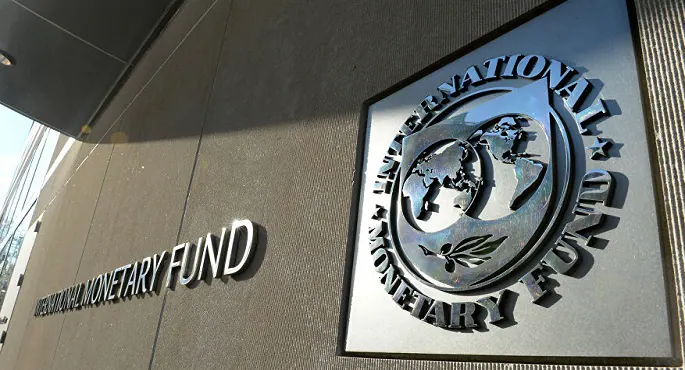
Egypt's economy has demonstrated its ability to withstand global economic crises, according to Dr. Mohamed Maait, Executive Director at the International Monetary Fund (IMF). In a recent statement, Maait expressed confidence in Egypt's economic stability, citing the country's improved macroeconomic situation. The IMF's latest statement also highlights Egypt's resilience in the face of global challenges. This development is significant, given the current global economic landscape.
The IMF's assessment of Egypt's economy is based on its ability to absorb the impact of recent regional shocks better than expected. The organization's analysis suggests that Egypt's economy has shown remarkable resilience. According to the IMF, Egypt's overall financing needs are expected to remain at around 40% of GDP in the short term, before gradually declining to less than 30% by 2030. This forecast indicates a positive outlook for Egypt's economic future.
Dr. Maait emphasized the importance of maintaining this positive trend to ensure Egypt's economy remains robust and prepared for potential external shocks. He noted that the recent decision by the US Federal Reserve to raise interest rates could lead to increased external financing costs. This development may impact Egypt's economy, given its reliance on external financing. The IMF's assessment provides valuable insights into Egypt's economic prospects.
The IMF's statement, titled "Resilience Under Pressure: The Egyptian Economy Defies Expectations," highlights Egypt's success in mitigating the effects of recent regional shocks. The organization's analysis suggests that Egypt's economy has performed better than anticipated, given the challenging global economic environment. This assessment is a testament to Egypt's economic resilience and its ability to navigate complex global challenges.
Egypt's economic stability is crucial, given its strategic location and role in the global economy. The country's ability to withstand external shocks is essential for maintaining regional economic stability. The IMF's assessment provides a positive outlook for Egypt's economic future, highlighting its potential for sustained growth and development.
The global economic landscape is characterized by significant challenges, including rising inflation and interest rates. In this context, Egypt's economic resilience is noteworthy. The IMF's assessment suggests that the country's economy is well-positioned to navigate these challenges, given its robust macroeconomic fundamentals. This development is likely to have a positive impact on Egypt's economic prospects.
In conclusion, Egypt's economy has demonstrated its ability to withstand global economic crises, according to the IMF. The organization's assessment highlights the country's resilience and potential for sustained growth and development. As the global economy continues to evolve, Egypt's economic stability is likely to remain a key factor in maintaining regional economic stability.
Key points
- Egypt's economy is capable of withstanding global economic challenges, according to the IMF.
- The country's overall financing needs are expected to remain at around 40% of GDP in the short term.
- Egypt's economic resilience is crucial for maintaining regional economic stability.