Egypt's economy has been experiencing structural imbalances for some time, characterized by a budget deficit, trade and payment imbalances, and a decline in food self-sufficiency. The value of the Egyptian pound has also depreciated against the US dollar, while the agriculture and industry sectors have declined, leading to idle capacities and increasing local and foreign debt. These challenges have resulted in a decline in living standards, with rising poverty and unemployment rates.
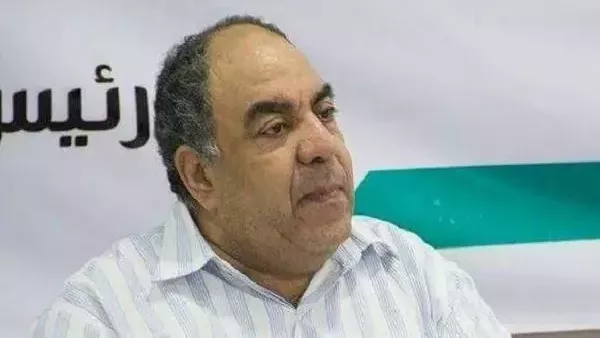
According to Dr. Elhamy El-Merghany, an economic expert and leader of the Popular Alliance Party, the country's economic model needs to be revised. He advocates for a self-sufficient economy that is integrated with Arab and African economies, which he believes is the only way to overcome the current crisis while ensuring social justice. El-Merghany emphasizes that the current debt burden has become a hindrance to growth, with domestic debt exceeding 14 trillion Egyptian pounds and foreign debt reaching $165 billion.
The debt servicing burden is substantial, consuming 65% of the budget allocations. This has led the government to sell assets and compromise its economic sovereignty to service debts and secure new loans. These loans are often used to fund projects that may not generate returns in the short to medium term. When the time comes to repay these loans, the government is forced to seek new loans and accept new conditions, perpetuating a cycle of debt.
Egypt faces significant debt repayment obligations, with over $62 billion due in the coming year. This is a substantial burden that exceeds the country's resources, highlighting the need to halt borrowing except for productive projects with guaranteed returns. El-Merghany stresses the importance of focusing on the commodity sectors of agriculture and industry to generate value-added products, create jobs, and increase exports.
Increased attention to these sectors can provide the necessary foreign currency and boost domestic savings. El-Merghany's comments highlight the urgent need for economic reform and a shift towards a more sustainable economic model. The current challenges facing Egypt's economy require a comprehensive and coordinated response to address the structural imbalances and restore growth.
The country's economic challenges are multifaceted, and addressing them will require a concerted effort from policymakers, stakeholders, and the private sector. Egypt's economic growth and development depend on its ability to overcome these challenges and implement a more sustainable economic model. El-Merghany's call for a revised economic model that prioritizes self-sufficiency and social justice is a timely reminder of the need for change.
The Egyptian government faces a daunting task in addressing the country's economic challenges, but with a clear vision and a coordinated strategy, it is possible to overcome these obstacles and restore economic growth. The country's future prosperity depends on its ability to address these challenges and implement a more sustainable economic model that benefits all Egyptians.
Key points
- Egypt's economy suffers from structural imbalances, including a large budget deficit and high debt burden.
- Debt servicing consumes 65% of the budget, highlighting the need for economic reform.
- A revised economic model prioritizing self-sufficiency and social justice is necessary to overcome the current crisis.