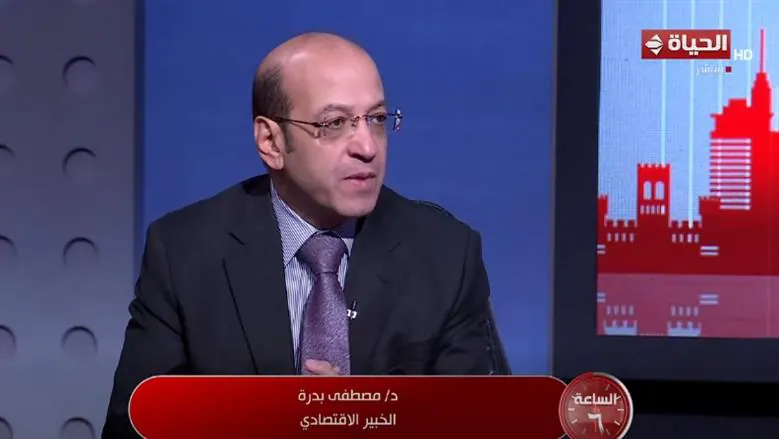
Egyptian economist Dr. Mustafa Badr has cautioned that ongoing military escalation between conflicting parties and a return to wartime conditions could drive global oil and energy prices to new heights. This, in turn, could exacerbate the existing food crisis. His comments come amid rising tensions between major world powers. Dr. Badr emphasized the intricate relationship between energy and production.
According to Dr. Badr, production cannot continue without energy, whether it be petroleum or electricity. He stressed that energy and production are directly linked, as agricultural production relies on tractors, machinery, and fertilizers, among other operational necessities. The ripple effects of an energy crisis extend far beyond fuel prices, impacting food and various economic activities.
Dr. Badr pointed out that prolonged conflicts, particularly the confrontation between the United States and Iran, may intensify these pressures. He noted that his analysis is grounded in economic perspectives, separate from military studies. The primary question revolves around the potential economic outcomes of the current escalation. Dr. Badr warned of a possible scenario involving the Strait of Hormuz.
Any reckless actions leading to the disruption of internet lines or communication cables crossing the Strait of Hormuz could cripple global life, Dr. Badr warned. The global economy heavily relies on modern technology and artificial intelligence. Consequently, any disturbance to internet cables traversing the Strait of Hormuz would have far-reaching implications for numerous countries worldwide.
Dr. Badr mentioned that the possibility of the United States launching a preemptive strike against Iran is among the scenarios being considered. He asserted that military escalation would have direct economic repercussions on energy, food, and global markets. The interconnectedness of the global economy means that instability in one region can have widespread effects.
The Egyptian economist's warnings highlight the delicate balance between global security and economic stability. As tensions continue to rise, experts and policymakers are closely monitoring the situation, aware of the potential for significant economic disruption. Dr. Badr's insights underscore the need for diplomatic efforts to mitigate these risks and prevent a global economic downturn.
In conclusion, Dr. Mustafa Badr's cautionary statements serve as a reminder of the intricate relationships between military conflicts, energy supplies, and global economic stability. As the situation continues to unfold, the international community remains vigilant, recognizing the potential for far-reaching economic consequences.
Key points
- Dr. Mustafa Badr warns of potential global economic impacts of rising military tensions on energy and food prices.
- Military escalation could drive global oil and energy prices to new heights, exacerbating the existing food crisis.
- The global economy heavily relies on modern technology and artificial intelligence, making it vulnerable to disruptions in critical infrastructure.