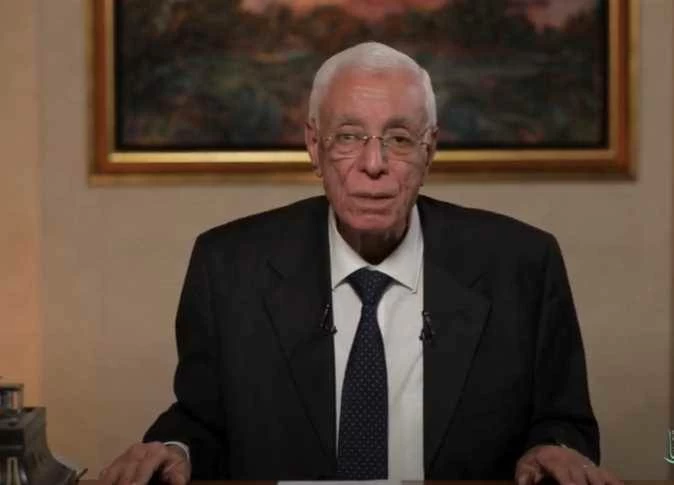
Egyptian doctor Hossam Moafy, a professor of critical care at Cairo University's Kasr Al-Ainy Faculty of Medicine, has reignited a debate on the possibility of utilizing organs from death row inmates for transplantation. During his presentation of the program "Rab Zidni Ilman" on the "Sada El-Balad" channel, Moafy questioned the legal and religious stance on using organs from individuals sentenced to death, either before or after execution. His proposal aims to understand the official position of relevant authorities on this matter.
Moafy's suggestion involves the potential use of various organs, including kidneys, heart, corneas, and parts of the liver, which could benefit multiple patients in need of transplants. He emphasized that his discussion is not an advocacy for the implementation of this idea without regulations but rather a call for clarification from concerned parties. The doctor referenced the Quranic verse, "And whoever saves one, it is as if he has saved mankind entirely," highlighting the principle of saving human life.
The idea behind Moafy's proposal is to utilize organs that would otherwise be buried after death, thereby potentially saving lives. He stressed that his intention is not to propose the application of this idea without oversight but to stimulate a discussion on the legal and religious implications. This comes amid ongoing debates on organizing organ donation and transplantation in Egypt.
Moafy's comments have sparked interest in the medical community, particularly in the context of Egypt's current organ transplantation landscape. The country has faced challenges related to organ donation and the black market for organs. Moafy's proposal seeks to contribute to the discourse on how to address the shortage of available organs for transplantation.
The legal and religious aspects of Moafy's proposal are crucial, as they will determine the feasibility of implementing such a policy. In many countries, laws and ethical guidelines govern organ donation and transplantation, often involving considerations of consent, the donor's status, and the recipient's needs. In Egypt, these issues are regulated by laws and Islamic jurisprudence, which may need to be revisited in light of Moafy's suggestion.
Reactions to Moafy's proposal are expected from various quarters, including medical professionals, legal experts, and religious scholars. Their input will be essential in shaping the discussion and determining whether such a policy could be adopted in Egypt. The debate underscores the complexities surrounding organ donation and transplantation in the country.
As the discussion unfolds, it will be important to consider the ethical, legal, and practical implications of using organs from death row inmates for transplantation. This includes addressing concerns about consent, the potential impact on the organ donation system, and the need for strict regulations to ensure the ethical implementation of such a policy.
Key points
- Doctor Hossam Moafy proposes using organs from death row inmates for transplantation to save patients in need.