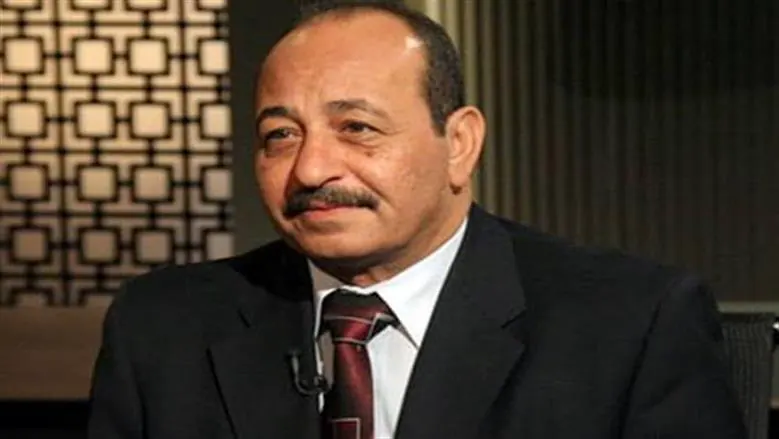
Egyptian strategist Dr. Jamal Abd al-Jawad stated that the country's relations with Ethiopia have recently experienced increased tension. This development comes in light of Ethiopian statements and declarations that may be perceived as provocative or aimed at achieving new understandings. According to Dr. Abd al-Jawad, Egypt has responded by launching a robust campaign and refining its stance on the Nile water issue.
Dr. Abd al-Jawad, a consultant at the Ahram Center for Political and Strategic Studies, noted that Egypt's new approach to the Nile water issue has become more comprehensive and capable of reaching various international platforms. This marks a shift from previous phases, where Egypt's discourse primarily relied on the concept of historical rights to the Nile water. The new approach has been rephrased to better address the current situation.
The previous Egyptian discourse on Nile water rights was subject to attempts to discredit it, prompting a revision of Egypt's vision on the matter. Dr. Abd al-Jawad emphasized that the updated discourse has become more effective in reaching influential circles involved in international decision-making processes. This development supports Egypt's stance on managing the Nile water and its relations with Ethiopia.
Egypt's relations with Ethiopia have been strained due to disagreements over the Nile water issue. The Ethiopian government has made statements and taken actions that Egypt perceives as challenges to its rights and interests. In response, Egypt has sought to strengthen its international stance on the issue and build alliances with other countries.
The Ahram Center for Political and Strategic Studies is a prominent Egyptian think tank that provides analysis and advice on strategic issues. Dr. Abd al-Jawad's statements reflect the center's views on the Nile water issue and Egypt's relations with Ethiopia. The center's work aims to inform Egyptian policymakers and contribute to the country's strategic planning.
The international community has been following the developments in the Nile water issue, given its implications for regional stability and global water security. Egypt, Ethiopia, and Sudan are the main countries involved in the issue, with each having distinct interests and concerns. The situation requires careful diplomatic handling to prevent escalation and promote a peaceful resolution.
The evolving Egyptian discourse on Nile water reflects the country's efforts to adapt to changing circumstances and strengthen its international position. By refining its approach and engaging with various global platforms, Egypt aims to protect its interests and promote a more favorable international environment.
Key points
- Egypt's new approach to the Nile water issue has become more comprehensive and effective globally.
- The previous Egyptian discourse on Nile water rights was subject to attempts to discredit it, prompting a revision of Egypt's vision on the matter.
- The international community has been following the developments in the Nile water issue, given its implications for regional stability and global water security.