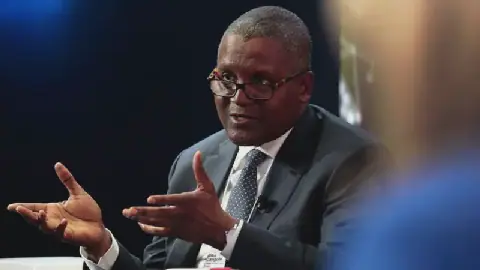
Egypt's former Deputy Foreign Minister, Ambassador Mohamed Badr El-Din, has attributed the decline of the United Nations' role to shifts in the international system. He stated that the UN's crisis is not new, but rather a prolonged issue since its inception, with varying degrees of severity over time. Understanding the crisis requires examining the evolution of the international system and the different stages the organization has undergone.
Ambassador Badr El-Din noted that the UN's role has declined significantly over the past two decades, particularly after the US gained dominance in the international system following the collapse of the Soviet Union. The repeated US invasions of Afghanistan and Iraq, among other countries, have contributed to this decline. The current international fluidity has further eroded the UN's influence.
The diplomat emphasized that the decline of the UN's role is not solely due to the long-standing issue of veto power, but also the current international stage. The world is experiencing transformations and international fluidity, with rising regional powers seeking to acquire influence. He called for a broad strategic perspective to understand these developments.
Ambassador Badr El-Din highlighted that international crises, especially in the Middle East, have become increasingly difficult to resolve. He argued that the complexity of these crises is exacerbated by the selection of international envoys, who are often chosen and controlled by Western powers, and may not fully understand regional dynamics.
The region has witnessed multiple conflict zones in the past two decades, including Libya, Syria, Iraq, and Yemen. The multiplicity and interconnectedness of these crises make them more challenging to address. Ambassador Badr El-Din stressed that the issue of international envoys must be considered within the broader context of regional crises.
In his assessment, the UN's effectiveness has been impacted by its inability to adapt to changing global circumstances. The organization's reliance on its member states, particularly those with significant influence, can hinder its ability to address pressing international issues.
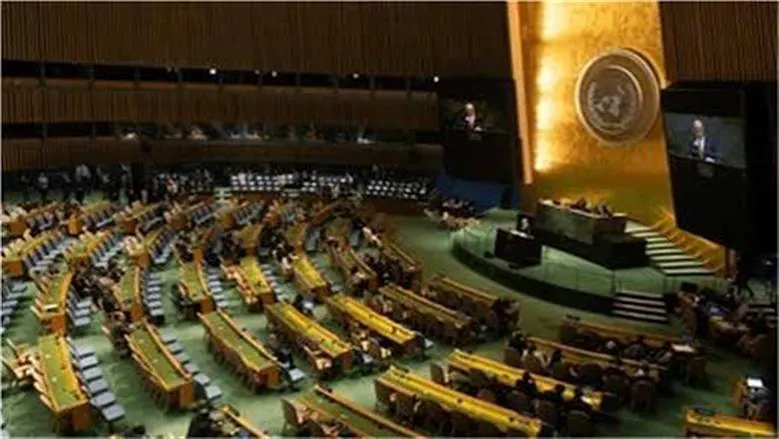
Ambassador Badr El-Din's comments come as global leaders gather for the UN General Assembly. His insights underscore the need for the international community to reassess the UN's role and effectiveness in addressing contemporary challenges.
Key points
- The UN's declining influence is attributed to shifts in the international system.
- The selection of international envoys can exacerbate regional crises.
- The multiplicity of conflict zones in the Middle East complicates crisis resolution.