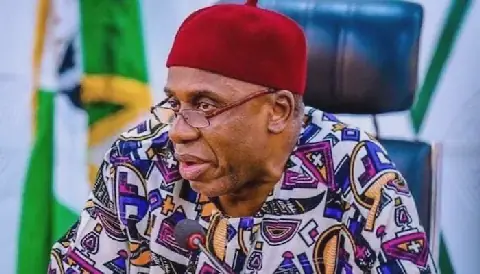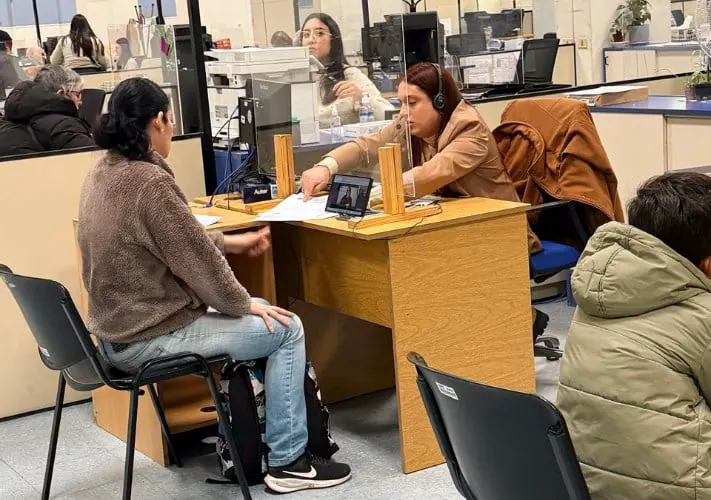
A delegation from Egypt's Ministry of Social Solidarity, led by Raft Shafik, Assistant Minister for Social Protection and Human Development, visited Uruguay as part of a study tour organized by the United Nations Economic and Social Commission for Western Asia (ESCWA). The visit aimed to explore Uruguay's experience in social protection, insurance, and digital transformation. The Egyptian delegation was keen to learn from Uruguay's successful models, as directed by Minister of Social Solidarity, Dr. Maya Morsi, to enhance international cooperation and exchange expertise.
During the visit, the Egyptian delegation met with officials from Uruguay's social protection institutions, including the Banco de Previsión Social (BPS). They learned about the structure of Uruguay's social protection system, management of insurance benefits, and social coverage throughout a citizen's life cycle. The discussions covered various topics, including old-age pensions, disability, and survivor benefits, as well as programs for protecting workers, mothers, and children.
The Uruguayan experience in expanding social protection to include self-employed workers and those in the informal economy was of particular interest to the Egyptian delegation. They studied the "Monotributo" system, which provides social protection to these groups. The delegation also learned about Uruguay's policies to protect women and promote gender equality, including measures to address career gaps and provide social protection during working life.
In the area of digital transformation, the Egyptian delegation explored Uruguay's use of technology to redesign social protection services, making them more integrated and citizen-focused. They saw how Uruguay leverages its national digital infrastructure, digital identity, and inter-agency data exchange platform (Reduy) to facilitate data exchange and provide digital services. The delegation was impressed by Uruguay's high internet penetration rate (94%) and the widespread use of electronic identity cards (92% of adults).
Raft Shafik presented the Egyptian Ministry of Social Solidarity's vision for developing the country's social protection system, which aims to transition from a protection-based approach to a more comprehensive model that includes empowerment, production, and insurance. He highlighted the success of the "Takaful and Karama" program, which has provided cash assistance to around 8.3 million families since its inception in 2015.
Shafik emphasized the importance of integrating informal workers into the social protection system and providing them with sustainable insurance options. He noted that the Ministry, in coordination with the National Social Insurance Authority and the Ministry of Labor, is working to develop micro-insurance programs tailored to the needs of informal workers, providing protection against short- and medium-term risks.
The Egyptian delegation found Uruguay's experience to be valuable, particularly in terms of its comprehensive social protection system, which covers citizens throughout their lives. They also appreciated the emphasis on digital transformation, data integration, and inter-agency collaboration. The visit is expected to inform Egypt's efforts to enhance its social protection system and promote digitalization, with a focus on empowering citizens and promoting sustainable development.
Key points
- Egypt's Ministry of Social Solidarity seeks to learn from Uruguay's experience in social protection and digital transformation to enhance its own systems.
- The Egyptian delegation was impressed by Uruguay's comprehensive social protection system, which covers citizens throughout their lives.
- The visit aims to support Egypt's transition from a protection-based approach to a more comprehensive model that includes empowerment, production, and insurance.