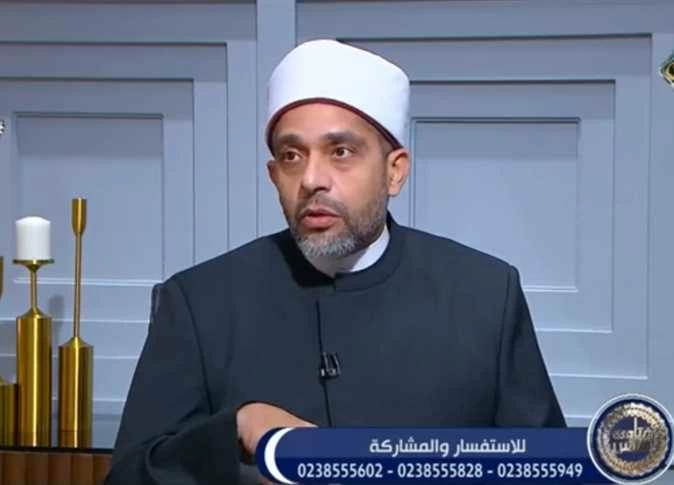
On October 12, 2026, Sheikh Ahmad Wasam, a senior cleric at Egypt's Dar al-Ifta, provided clarification on bank financing for purchasing properties and vehicles. He emphasized that such financial transactions are based on financing rather than loans in the traditional sense. According to Sheikh Wasam, legislation passed in 2003 and its executive regulations in 2004 have resolved this issue.
Sheikh Wasam explained that the relationship between banks and clients in these transactions is based on financing, not usurious lending. He noted that simply receiving money and repaying it with an increase, where the increase is in exchange for the money itself, is not permissible under Islamic law and constitutes usury. Instead, financing involves an intermediary commodity, where the bank uses the funds to purchase the commodity, and the client repays the cost with a negotiated increase.
The increase in this context is for the commodity, not the money, distinguishing financing from usurious lending. Sheikh Wasam highlighted that using the term "loan" in everyday discussions about banking transactions does not accurately reflect the nature of the transaction from a jurisprudential perspective. He pointed out that a loan has a different meaning in Islamic jurisprudence, whereas financing is based on a sale and purchase transaction.
Sheikh Wasam stressed that obtaining financing from a bank to purchase a property, vehicle, or other commodities is permissible under Islamic law. This is because it falls under the category of sale and differs from a loan, which typically involves a condition of increase in exchange for the money lent.
The clarification comes as part of Dar al-Ifta's efforts to provide guidance on various religious and social matters. Sheikh Wasam's statements were made during an appearance on the "Fatwa of the People" program broadcast on the People channel, hosted by journalist Mohand Sadat.
Dar al-Ifta's role in addressing such issues underscores its significance in providing religious guidance and clarifying complex matters for the public. The institution continues to play a crucial role in Egypt's religious landscape.
In conclusion, Dar al-Ifta's clarification provides reassurance to individuals considering bank financing for property and vehicle purchases, affirming that such transactions can be conducted within Islamic law.
Key points
- Dar al-Ifta has stated that bank financing for purchasing properties and vehicles does not fall under usury.
- The financing transactions are based on the sale and purchase of commodities, not loans.
- Such transactions are permissible under Islamic law, provided they adhere to specific guidelines.