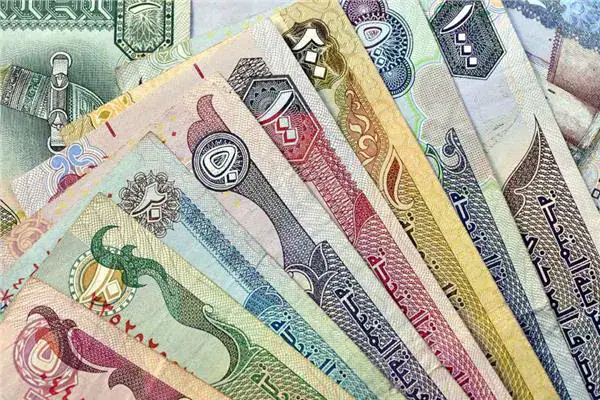
The Egyptian currency market witnessed stability in most Arab currencies at the beginning of transactions on November 1, 2026. According to reports from Al Akhbar, the prices of various Arab currencies against the Egyptian pound showed minimal fluctuations in banks operating within the local market. This stability is a notable trend in the country's financial sector. Market analysts and individuals involved in financial transactions have been closely monitoring these developments.
The prices of key Arab currencies were reported as follows: the Saudi Riyal was trading at 14.84 pounds for buying and 14.94 pounds for selling in Egyptian banks. Meanwhile, the Kuwaiti Dinar was recorded at 176.51 pounds for buying and 181.99 pounds for selling. Additionally, the United Arab Emirates Dirham was valued at 15.22 pounds for buying and 15.27 pounds for selling. These rates indicate a stable exchange environment for these major Arab currencies.
In the context of central banking, the Saudi Riyal in the Central Bank of Egypt was priced at 14.91 pounds for buying and 14.95 pounds for selling. The Kuwaiti Dinar was valued at 181.59 pounds for buying and 182.10 pounds for selling. Furthermore, the UAE Dirham was recorded at 15.24 pounds for buying and 15.28 pounds for selling. These central bank rates provide a benchmark for commercial banks and financial institutions.
The stability of Arab currencies against the Egyptian pound can be attributed to various economic factors, including trade relations, investment flows, and monetary policies. Egypt's strategic location and economic ties with Arab nations contribute to the significance of these currency exchanges. The Central Bank of Egypt plays a crucial role in managing foreign exchange and maintaining stability in the currency market.
Some banks and currency exchange companies operate in tourist areas, including airports, hotels, and malls, during holidays and official vacations. This extended operational presence ensures that tourists and locals have access to currency exchange services when needed. These services are vital for supporting tourism and facilitating international transactions.
The Egyptian government and financial institutions have been working to maintain stability in the currency market. Efforts to attract foreign investment, improve economic indicators, and implement sound monetary policies are key strategies in this regard. A stable currency market is essential for economic growth and investor confidence.
In related news, the prices of foreign currencies and other economic indicators are being closely watched by market participants and analysts. The overall performance of the Egyptian economy and its impact on the currency market will continue to be a subject of interest.
Key points
- The Egyptian currency market saw stability in Arab currencies on November 1, 2026.
- Central bank rates for major Arab currencies were also reported.
- Extended banking services in tourist areas support tourism and international transactions.