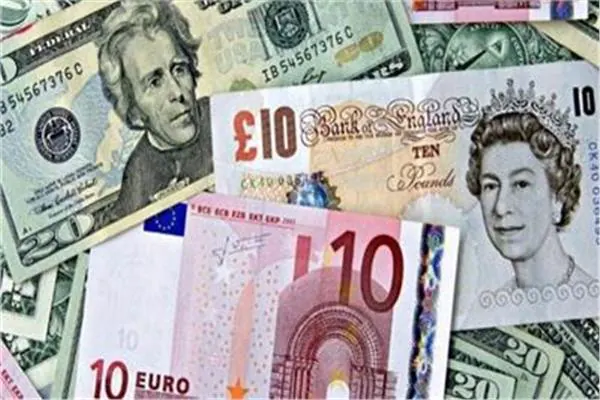
The Egyptian foreign exchange market witnessed a decline in rates at the beginning of transactions on September 23, 2026. According to reports from Al Akhbar, the rates of various foreign currencies dropped against the Egyptian pound across banks and currency exchange companies operating in the local market. Some bank branches and exchange companies in airports, hotels, clubs, and malls in certain areas of Cairo and tourist cities continue to operate during holidays and official leave.
The European currency, the euro, was reported to be trading at 58.92 pounds for buying and 59.17 pounds for selling. This reflects a decline in its value compared to the previous day. Market trends and economic indicators often influence such fluctuations. The performance of the Egyptian pound against major currencies is closely monitored by economists and individuals involved in foreign transactions.
The British pound, another major currency, was trading at 68.67 pounds for buying and 68.96 pounds for selling. This also represents a drop in its value against the Egyptian pound. Such movements can impact trade, investment, and tourism between Egypt and the United Kingdom. The Central Bank of Egypt and other financial institutions keep a close watch on these trends to ensure stability in the foreign exchange market.
The Swiss franc was recorded at 62.75 pounds for buying and 62.98 pounds for selling. This indicates a slight decrease in its value against the Egyptian pound. The Swiss franc is known for its stability, but like other currencies, its exchange rate can fluctuate based on global economic conditions and market demand.
The Japanese yen, specifically 100 yen, was trading at 32.70 pounds for buying and 32.83 pounds for selling. This shows a minor decline in the value of the yen against the Egyptian pound. The yen's performance is often seen as an indicator of the Japanese economy's health and can influence trade relations between Egypt and Japan.
The Chinese yuan was reported to be trading at 7.69 pounds for buying and 7.71 pounds for selling. This reflects a slight drop in its value. The yuan's exchange rate is significant due to China's growing economic influence and its substantial trade volume with Egypt. Fluctuations in the yuan can have implications for bilateral trade and investment.
The decline in foreign currency rates against the Egyptian pound may be attributed to various economic factors, including market supply and demand, geopolitical events, and economic policies. The Central Bank of Egypt plays a crucial role in managing the foreign exchange market to maintain economic stability. As of September 23, 2026, these rates reflect the early transactions in the market.
Key points
- Foreign exchange rates declined against the Egyptian pound in early transactions on September 23, 2026.
- The euro, British pound, Swiss franc, Japanese yen, and Chinese yuan all saw a drop in their values against the Egyptian pound.
- The Central Bank of Egypt monitors and manages the foreign exchange market to ensure stability and manage economic fluctuations.