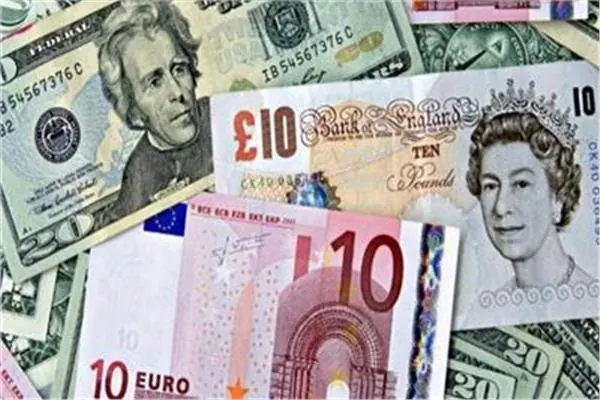
The foreign exchange market in Egypt witnessed a decline in rates on September 21, 2026, following the recent developments in the conflict between the United States, Israel, and Iran. At the close of trading on Monday, the prices of various currencies dropped against the Egyptian pound. This fluctuation is typical in the currency exchange market, especially during times of geopolitical tensions.
The European currency, the euro, was traded at 59.50 Egyptian pounds for buying and 59.73 pounds for selling. This represents a decline from previous rates, reflecting the current market dynamics. The British pound, also known as the sterling, was bought and sold at 69.34 and 69.63 pounds, respectively. These rates are crucial for individuals and businesses involved in international transactions.
The Swiss franc, known for its stability, was traded at 62.96 pounds for buying and 63.30 pounds for selling. Meanwhile, the Japanese yen saw a rate of 32.94 pounds for buying and 33.18 pounds for selling for every 100 yen. These exchange rates are vital for Egypt's economic interactions with these countries, influencing trade and investment flows.
The Chinese yuan, an increasingly important currency in global trade, was exchanged at 7.74 pounds for buying and 7.76 pounds for selling. This rate is significant given China's growing economic influence and its substantial trade relations with Egypt. The fluctuations in these exchange rates can impact Egypt's export and import prices.
The decline in foreign exchange rates comes at a time when some banks and currency exchange companies operate in key locations such as airports, hotels, and malls during holidays and official vacations. This extended operational presence helps cater to the needs of tourists and individuals requiring foreign currency for travel or other purposes.
The Egyptian economy, like many others, is sensitive to global events, especially those involving major economies. The ongoing situation between the United States, Israel, and Iran has contributed to the volatility in the foreign exchange market. Stakeholders, including policymakers and investors, closely monitor these developments to understand their potential impact on the local economy.
The movements in the foreign exchange market are also reflective of broader economic trends. For instance, the prices of metals like iron and cement, as well as the value of gold, have seen fluctuations recently. On September 21, 2026, the Egyptian stock market also experienced a collective decline, indicating a complex interplay of various economic factors.
Key points
- Foreign exchange rates declined against the Egyptian pound on September 21, 2026.
- The euro was traded at 59.50 pounds for buying and 59.73 pounds for selling.
- The fluctuations are influenced by geopolitical tensions and impact Egypt's trade and investment.