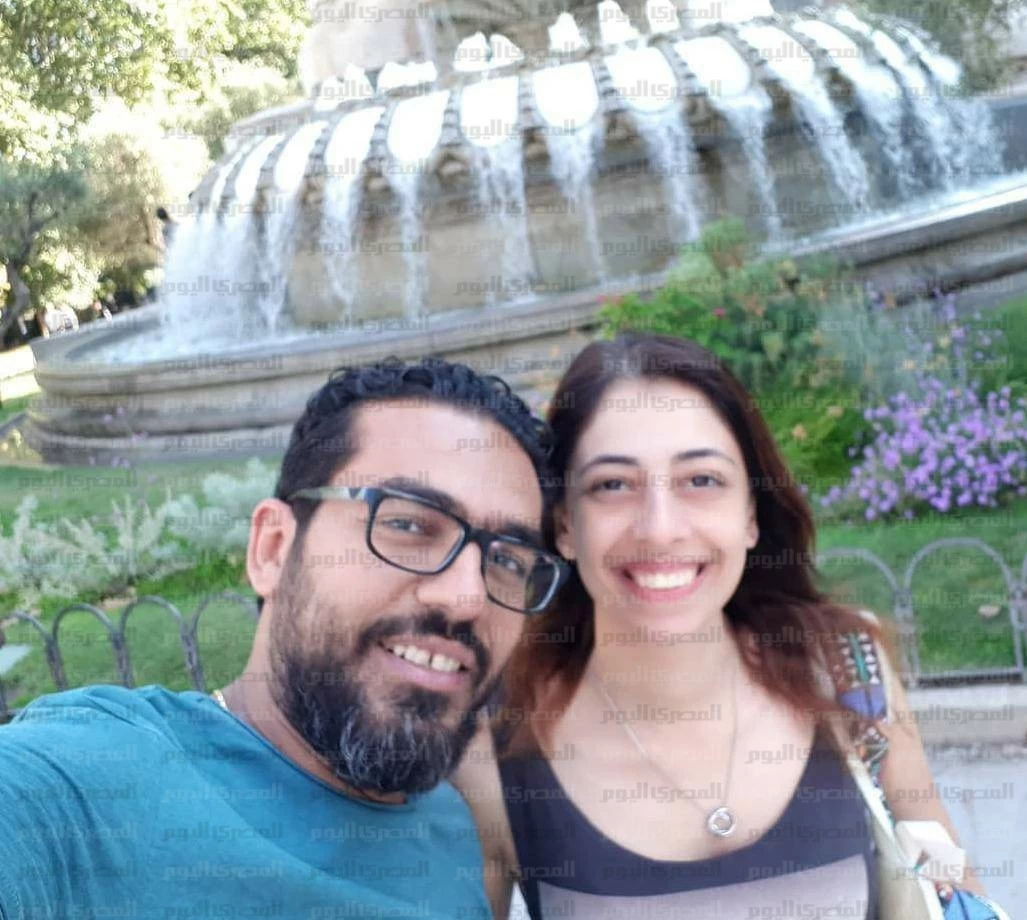
The Cairo Criminal Court, located in New Cairo, is set to resume the trial of the defendant accused of killing a family of four in a case known as the "Nargis Crime." The trial was initially postponed to allow for an examination of the defendant's mental and physical health. During the first session, the defendant's lawyer requested that his client be examined at a mental health hospital and that senior forensic doctors be consulted to assess his condition.
The case dates back to the discovery of the bodies of four members of the same family in New Cairo, who were killed by gunshot wounds. The victims were a father, his wife, and their two daughters. The family had been reported missing, prompting an investigation that lasted 48 hours. The public prosecutor's office received a notification about the discovery of the bodies and immediately began investigating the crime scene.
The public prosecutor's office conducted an on-site investigation, observing the bodies and ordering an autopsy to determine the cause of death. The investigation included reviewing footage from surveillance cameras and gathering statements from witnesses. The police were tasked with tracking down the suspect, who was identified as a friend of the family. The suspect was subsequently arrested and interrogated.
During interrogation, the defendant confessed to killing the family with premeditation, citing a dispute over a loan as the motive. He claimed that the father had refused to lend him money, leading him to plan and execute the murder. The defendant admitted to using a firearm to kill the father in the Katamiya area and then stealing his money and gold.
The defendant also confessed to luring the mother and their two daughters to the crime scene, pretending that the father had been involved in a car accident. He then shot and killed them inside a car. The defendant's actions were corroborated by forensic evidence, witness statements, and footage from surveillance cameras.
The investigation found that the defendant's actions were meticulously planned, and he had conducted a simulated reenactment of the crime. Forensic reports and biometric measurements confirmed that the defendant was the individual seen in the surveillance footage. The public prosecutor's office concluded that the evidence pointed to the defendant's guilt.
The trial's resumption today marks a critical step in the judicial process. If convicted, the defendant could face severe penalties for his crimes. The case has garnered significant attention due to its brutal nature and the thorough investigation conducted by the authorities.
Key points
- The defendant confessed to killing the family due to a dispute over a loan.
- The investigation included reviewing footage from surveillance cameras and gathering statements from witnesses.
- The defendant's actions were corroborated by forensic evidence, witness statements, and footage from surveillance cameras.