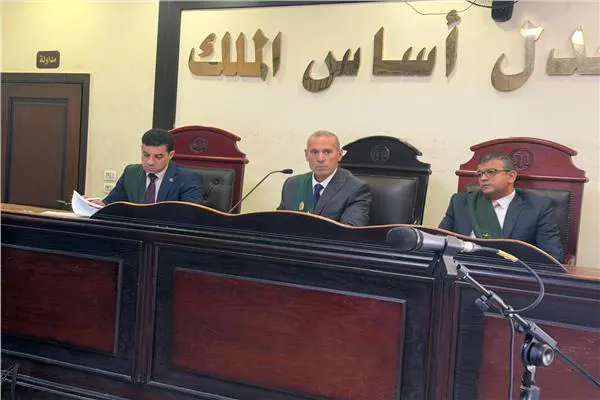
In a judicial ruling that balances the application of the law with the preservation of social fabric, the Damanhour Criminal Court in Egypt has sentenced a man to one year in prison with a suspended sentence. The court, led by Judge Dr. Samah Abdullah, found the defendant guilty of marrying a 17-year-old girl and fathering a child with her. The ruling prioritized the interests of the unborn child and the preservation of family unity.
The case dates back to an incident in a village in the Itai El-Barod district of El-Behira governorate. The defendant, an unmarried man, entered into an informal marriage with a 17-year-old girl, despite her family's objections. The relationship resulted in the girl becoming pregnant, and by the time she was in her sixth month of pregnancy, her guardian took her to court to prove the paternity of the unborn child.
During the trial, the defendant admitted to the charges and acknowledged paternity of the child. Witnesses presented an informal marriage contract and a list of dowry items worth 600,000 Egyptian pounds, which demonstrated the intention of the parties to establish a marital relationship. The 17-year-old girl also testified before the court that she had consensual relations with the defendant and wanted to marry him.
The court considered two main factors in its ruling: imposing a harsh sentence on the defendant or preserving the unity of the family and establishing the paternity of the unborn child. Ultimately, the court chose to prioritize the latter, aiming to protect the family's reputation and prevent further social damage. This decision reflects the court's emphasis on balancing the application of the law with social considerations.
The ruling highlights the complexities of underage marriage and the challenges faced by the Egyptian judiciary in addressing such cases. While the law prohibits marriage for minors, social and cultural factors often contribute to the prevalence of such unions. In this case, the court's decision aimed to mitigate the consequences of the situation and ensure the well-being of the unborn child.
The case underscores the need for comprehensive strategies to address the root causes of underage marriage and protect the rights of minors in Egypt. By prioritizing the interests of the child and the preservation of family unity, the court's ruling sets a precedent for future cases involving similar circumstances.
The defendant's sentence is a suspended one-year prison term, reflecting the court's attempt to balance punishment with social responsibility. The case will likely have implications for future judicial decisions regarding underage marriage and the rights of minors in Egypt.
Key points
- The Egyptian court prioritized the preservation of family unity and the interests of the unborn child in its ruling.
- The case highlights the complexities of underage marriage and the challenges faced by the Egyptian judiciary.
- The court's decision sets a precedent for future cases involving underage marriage and the rights of minors in Egypt.