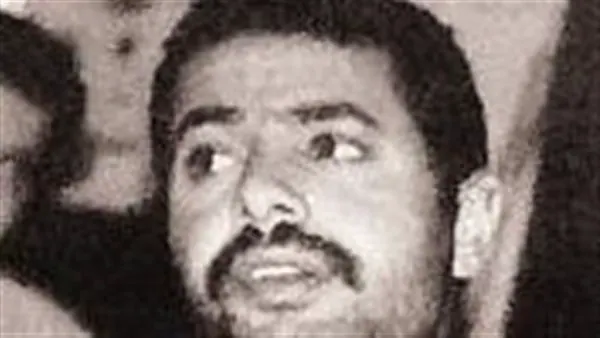
In a significant turn of events, the Egyptian court has ruled that a confession made by Mohamed Ali Mohamed Ahmed Abdel Latif, the primary suspect in the 2005 Beni Mazar massacre, was obtained under duress and therefore cannot be used as evidence. The case, which involved the brutal killing of 10 people in the Minya governorate, had initially relied heavily on Abdel Latif's detailed confession. However, during the trial, Abdel Latif recanted his confession, claiming it was made under physical and psychological coercion.
The investigation into the massacre, which occurred in 2005, initially revealed that Abdel Latif had provided detailed information about the crime, including the movements between the victims' homes and the weapons used. This information was used to conduct a forensic examination of the crime scene, which became a key piece of evidence in the case. However, during the trial, Abdel Latif's defense team argued that the confession was obtained through physical and psychological coercion, and therefore, it should be considered null and void.
The Minya Criminal Court carefully examined the circumstances under which the confession was made and concluded that Abdel Latif was subjected to psychological and physical coercion, which impacted his confession to the police and the prosecution, as well as the forensic investigations. The court cited a fundamental principle that a confession must be made of free will and that a confession made under threat or coercion is not admissible as evidence.
In addition to scrutinizing the confession, the court also analyzed the compatibility of the details provided by Abdel Latif with the forensic medical reports and the estimated time required to commit the crimes. A discrepancy was found between Abdel Latif's narrative and the court's findings based on forensic evidence regarding the injuries sustained by the victims and the time needed to carry out the crimes.
On September 7, 2006, the Minya Criminal Court acquitted Abdel Latif of the charges of killing the 10 victims, following a thorough examination of the confession, investigations, testimonies, and forensic evidence. The prosecution appealed the acquittal, but the Court of Cassation upheld the verdict in December 2008, rendering it final. The case drew significant attention due to its brutal nature and the large number of victims.
The acquittal of Abdel Latif was based on the court's finding that the confession, which was a crucial piece of evidence, was obtained under duress and could not be relied upon to secure a conviction. The court's decision highlighted the importance of ensuring that confessions are made voluntarily and that the rights of the accused are protected throughout the investigation and trial process.
The Beni Mazar massacre case remains one of the most notorious crimes in Egyptian history, and the court's decision has been seen as a significant development in the case. The case has raised important questions about the use of confessions in criminal investigations and the need for safeguards to prevent coercive tactics.
Key points
- The Egyptian court ruled that the confession was obtained under duress and therefore cannot be used as evidence.
- The court's decision was based on a thorough examination of the circumstances surrounding the confession and the forensic evidence in the case.
- The acquittal of Abdel Latif was upheld by the Court of Cassation in December 2008, rendering it final.