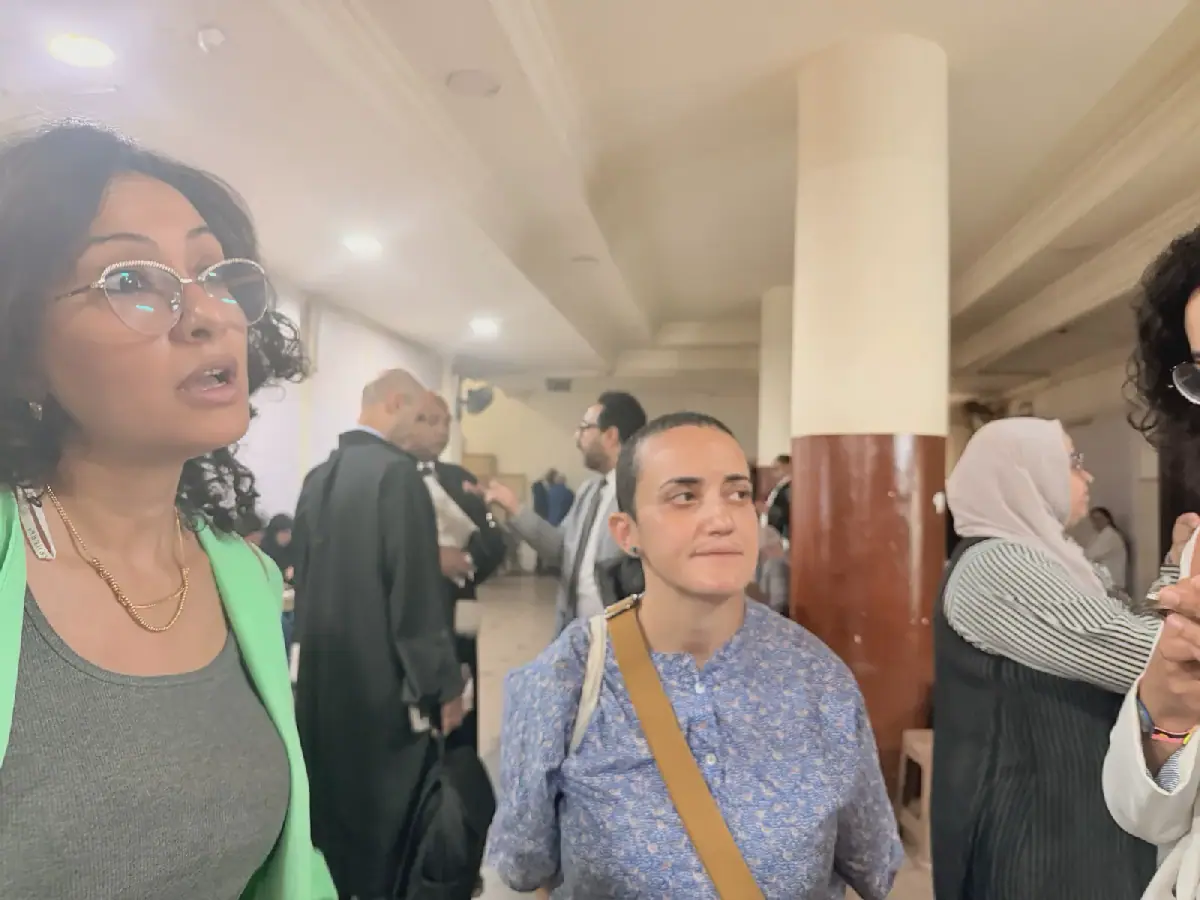
An Egyptian court has ordered the closure of independent media outlet "Mada Masr" and fined its editor-in-chief, Lina Attallah, EGP 3 million. The court, located in Cairo's New Cairo district, issued the verdict on October 27, 2026, after a trial that lasted only a few days. Attallah was accused of "running a website without a license". The court also ordered the confiscation of the outlet's equipment.
The trial was marred by controversy, with the defense team, consisting of eight lawyers, being denied the opportunity to review the case files. The judge insisted on proceeding with the trial, despite the defense team's objections, and eventually appointed a lawyer of his choice to represent Attallah. The defense team argued that this was a violation of their client's right to a fair trial.
The verdict has sparked widespread criticism from human rights groups, journalists, and politicians. The Egyptian Journalists' Syndicate has announced that it will take legal action to appeal the verdict, citing concerns over the speed and fairness of the trial. The syndicate's president, Khaled El-Balshi, stated that the verdict was "a worrying precedent" and that it highlighted the need for greater protections for journalists and media outlets.
Human rights groups, including Amnesty International and the Committee to Protect Journalists, have condemned the verdict, describing it as a "blow to press freedom" in Egypt. They argue that the closure of "Mada Masr" is part of a broader crackdown on independent media outlets in the country. The groups have called for the verdict to be overturned and for Attallah to be released from custody.
The case against "Mada Masr" began in 2018, when the outlet applied for a license to operate as a media outlet. However, the authorities have been slow to process the application, and the outlet has been operating without a license ever since. The prosecution argued that the outlet's lack of a license was a justification for its closure.
The closure of "Mada Masr" has raised concerns about the state of press freedom in Egypt. The country has a reputation for restricting the freedom of the press, and the closure of the outlet has been seen as a further erosion of press freedoms. The Egyptian government has faced criticism for its treatment of journalists and media outlets, with many accusing it of using the law to silence critics.
The verdict has also sparked concerns about the use of judicial harassment to silence journalists and media outlets. The case against "Mada Masr" is seen as part of a broader pattern of judicial harassment, with many journalists and media outlets facing prosecution and intimidation. The international community has called for the Egyptian government to respect the rights of journalists and media outlets to operate freely.
Key points
- The Egyptian court ordered the closure of "Mada Masr" and fined its editor-in-chief EGP 3 million.
- The verdict has sparked widespread criticism from human rights groups and journalists.
- The case against "Mada Masr" has raised concerns about the state of press freedom in Egypt.