In a recent ruling, Egypt's Cairo Criminal Court designated 35 organizations and 36 individuals as terrorist entities. This decision was made in accordance with case number 11108 of 2026, which pertains to the state's security. The list includes various Muslim organizations across Europe, such as the European Muslim Council, the Muslim Association in France, and the Islamic Association in Britain. These organizations have been accused of having ties to the Muslim Brotherhood, a group considered a terrorist organization by Egypt.
The court ruling, published in the Egyptian Gazette, stated that these designations are effective for a period of five years. The list of terrorist entities includes a range of organizations, including the European Council for Fatwa and Research, the European Council for Imams, and the European Council for Muslim Women. These organizations have been accused of promoting extremist ideologies and supporting terrorist activities. The ruling also names 36 individuals, including Abdullah bin Mansour, who has been identified as a key figure in the European Muslim Council.
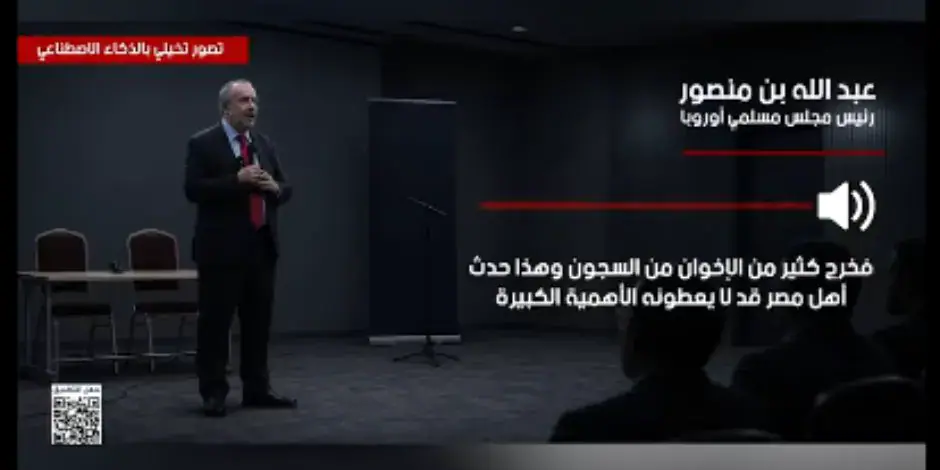
According to a recording by Abdullah bin Mansour, the release of Muslim Brotherhood elements from prison had a significant impact on the spread of Islamist movements outside of Egypt. Mansour, whose name is included on the terrorist list, claimed that the release of these individuals contributed to the growth of Islamist movements in Western countries, including the United States, Canada, and European nations. This statement suggests that the Muslim Brotherhood has been involved in promoting its ideology globally.
The Egyptian government's decision to designate these organizations and individuals as terrorist entities is part of a broader effort to combat extremism and terrorism. The country has been grappling with the threat of terrorism in recent years, and the government has taken steps to strengthen its security and counter-terrorism measures. The designations are intended to disrupt the activities of these organizations and prevent them from operating in Egypt or abroad.
The list of terrorist entities includes organizations based in several European countries, including France, Britain, Germany, and Italy. These organizations have been accused of promoting extremist ideologies and supporting terrorist activities. The designations are likely to have significant implications for these organizations and their members, who may face restrictions on their activities and assets.
The Egyptian government's efforts to combat extremism and terrorism have been ongoing for several years. The country has implemented a range of measures, including security reforms and counter-terrorism laws, to address the threat of terrorism. The designations of these organizations and individuals as terrorist entities are part of a broader strategy to prevent the spread of extremist ideologies and to protect national security.
The implications of these designations are far-reaching, and are likely to have significant impacts on the organizations and individuals affected. The Egyptian government's efforts to combat extremism and terrorism are ongoing, and the designations of these organizations and individuals as terrorist entities are an important part of this effort.
Key points
- The Egyptian government has designated 35 organizations and 36 individuals as terrorist entities, citing their alleged ties to the Muslim Brotherhood.
- The designations are effective for a period of five years and are intended to disrupt the activities of these organizations and prevent them from operating in Egypt or abroad.
- The list of terrorist entities includes organizations based in several European countries, including France, Britain, Germany, and Italy.
Reporting sources
- Sawt Al-Umma · Sawt Al-Umma