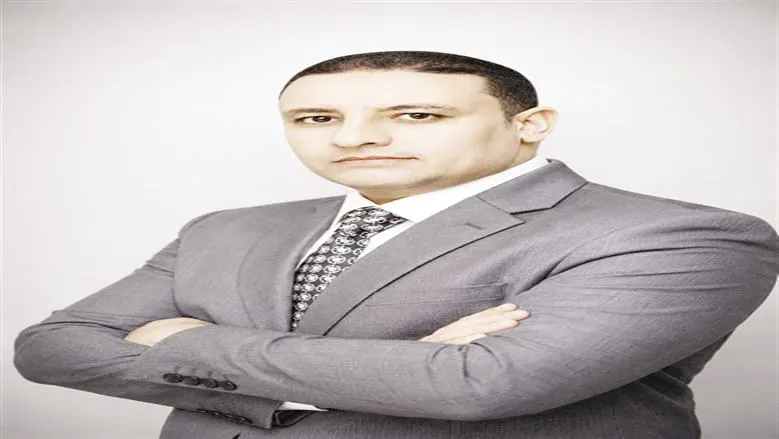
In a thought-provoking article published in El Watan News on September 22, 2026, Egyptian columnist Ahmed Barakat posed an intriguing question: what if Egyptian athletes could serve as ambassadors for their country without carrying diplomatic bags or adhering to traditional diplomatic protocols? Barakat argues that famous athletes like Mohamed Salah have become points of human connection between Egypt and millions of people worldwide who may not have otherwise known much about the country.
Barakat highlights the differences between traditional diplomacy and the influence of athletes like Salah, who has become a beloved figure globally. While diplomats engage with government officials, athletes interact with the general public, creating a unique connection between their country of origin and their global fanbase. This connection can be a powerful tool for building bridges between nations and fostering goodwill.
The columnist suggests that Egypt could leverage the global presence of its athletes to promote a positive image of the country. By having multiple athletes with international followings, Egypt could establish a network of unofficial ambassadors who can promote Egyptian culture and values worldwide. This approach could complement traditional diplomacy and help to build a stronger, more personal connection between Egypt and other nations.
Barakat emphasizes that the goal of using athletes as ambassadors is not to replace traditional diplomacy or use them as tools for political promotion. Rather, it is to recognize the value of the human connections they create and the positive impact they can have on Egypt's international reputation. By acknowledging the power of athletes as cultural ambassadors, Egypt can tap into their global influence and promote a more nuanced understanding of the country.
The article also touches on the idea that ambassadors do not necessarily have to be diplomats. Barakat suggests that writers, artists, scientists, and athletes can all serve as ambassadors for their country in their own way. By recognizing the diverse range of individuals who can represent Egypt on the global stage, the country can adopt a more inclusive and multifaceted approach to international relations.
Ultimately, Barakat argues that Egypt should rethink its understanding of diplomacy and the role of ambassadors in the modern era. By embracing the idea of "ambassadors without diplomatic bags," Egypt can harness the power of its cultural exports and build stronger connections with people around the world. This approach could help to promote a more positive and nuanced image of Egypt globally.
As the world becomes increasingly interconnected, the concept of diplomacy is evolving to reflect the changing nature of international relations. Egypt's exploration of new approaches to diplomacy, including the use of athletes as ambassadors, could provide a valuable model for other countries seeking to build stronger global connections.
Key points
- The use of athletes as unofficial ambassadors can be a powerful tool for building bridges between nations and fostering goodwill.
- Egypt could leverage the global presence of its athletes to promote a positive image of the country and build a stronger, more personal connection with other nations.
- The concept of diplomacy is evolving to reflect the changing nature of international relations, and Egypt's exploration of new approaches could provide a valuable model for other countries.