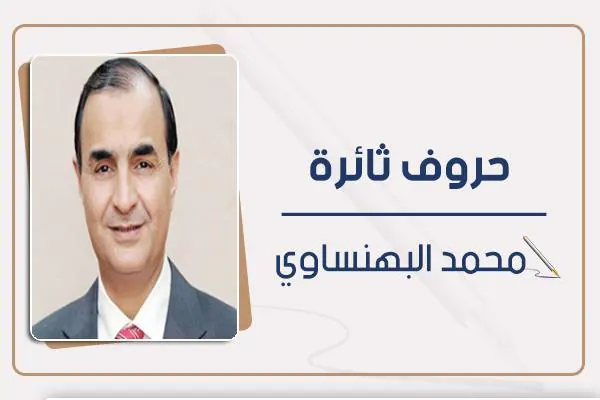
Egyptian columnist Mohamed El-Bahnasawy has written a series of articles highlighting the dangers of social media, likening its impact to the plague that killed tens of millions in the last century. In his latest piece, "The Plague of the Age: 4 - And How to Protect the Future," El-Bahnasawy emphasizes the need for collective action to safeguard children's futures. He praises President Abdel Fattah El-Sisi's recent directives to relevant authorities to protect children from social media risks.
El-Bahnasawy notes that the Supreme Council for Media and the National Telecommunications Regulatory Authority have taken new measures to protect children. These measures include dividing children into two categories: those under 13, for whom social media platforms are prohibited from creating accounts, and those between 13 and 15, who can have accounts only if they use safe mode. While El-Bahnasawy welcomes these steps, he believes they are insufficient on their own to counter the threat of social media to children.
The columnist stresses that the state has done its part, but it is crucial for families and institutions that interact with children to cooperate. He warns that the state cannot monitor all cases, such as when mothers create accounts for their children using fake data or provide personal information that could harm them. El-Bahnasawy also highlights the challenge of monitoring children's activities in cyber cafes and their participation in online games.
El-Bahnasawy emphasizes that the primary responsibility lies with families, who must take an active role in protecting their children. He calls on various entities to support the new measures and provide alternatives that can engage children in more productive activities. For instance, the Ministry of Sports and clubs can offer attractive sports programs, while religious institutions can provide educational content.
The Ministry of Culture and its affiliated institutions are also encouraged to promote reading habits among children. El-Bahnasawy notes that children are interested in reading but often search for it in the vast and unregulated online space. He believes that by working together, it is possible to create a safer online environment for children.
El-Bahnasawy reiterates that children have the right to safe access to technology, and it is the responsibility of adults to ensure that they exercise this right safely. He hopes that his message will resonate with families, policymakers, and institutions, leading to a concerted effort to protect children's futures.
Ultimately, El-Bahnasawy's article is a call to action for Egyptian society to come together to address the risks associated with social media and to create a safer and healthier online environment for children. By working together, he believes that it is possible to mitigate the negative impacts of social media and ensure a brighter future for Egypt's younger generation.
Key points
- The Egyptian government has taken new measures to protect children from social media risks, including prohibiting social media platforms from creating accounts for children under 13.
- The columnist Mohamed El-Bahnasawy is calling for collective action from families, institutions, and the government to safeguard children's futures.
- El-Bahnasawy emphasizes the importance of providing children with safe and healthy alternatives to social media, such as sports, reading, and educational programs.