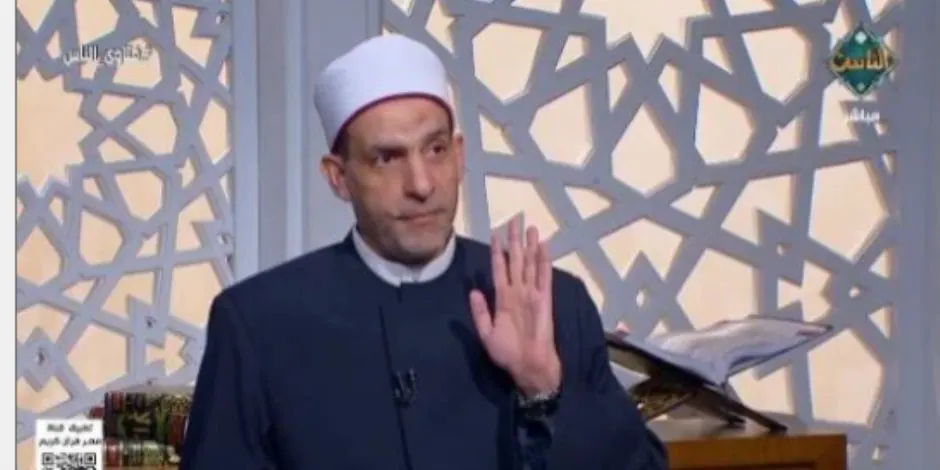
In a recent statement, Dr. Ali Fakhr, a senior cleric at Egypt's Dar Al-Ifta, addressed the issue of publishing photos of deceased individuals on social media platforms with the intention of soliciting prayers and condolences. According to Dr. Fakhr, there is no religious objection to sharing such photos, provided that certain guidelines are followed to preserve the dignity of the deceased. This statement was made during an appearance on the "Fatwaa Al-Nas" program broadcast on Al-Nas TV.
Dr. Fakhr clarified that sharing an ordinary photo of the deceased, taken either during a special occasion or in everyday life, is permissible as long as it is done in a respectful manner. He emphasized that the primary intention behind sharing such photos should be to invite others to offer prayers and condolences. The cleric stressed that as long as the publication is carried out in a dignified and respectful way, there is no harm in it.
However, Dr. Fakhr cautioned against sharing certain types of photos, specifically those taken during the moments of passing or during severe illness. He argued that publishing such images would constitute a violation of the individual's dignity and privacy, even after death. The cleric urged people to consider the feelings of the deceased's family and to adhere to social etiquette when sharing photos, ensuring that the process is carried out with respect.
The guidance from Dar Al-Ifta highlights the importance of balancing the desire to honor the deceased through prayer with the need to respect their dignity and privacy. Dr. Fakhr's statements aim to provide clarity on this issue, which has been a subject of debate among Muslims seeking to understand the religious implications of sharing such content online.
In Islamic tradition, praying for the deceased and seeking forgiveness on their behalf is considered a charitable act. Dr. Fakhr's advice seeks to facilitate this process while ensuring that it is done in a manner that is respectful to all parties involved. The Dar Al-Ifta's stance underscores the significance of maintaining decorum and respect in all interactions, including those involving the deceased.
The discussion around the permissibility of sharing photos of the deceased reflects broader conversations about digital practices and religious norms. As social media continues to play a significant role in modern life, religious institutions and scholars are increasingly called upon to provide guidance on how to navigate these platforms in accordance with religious teachings.
Ultimately, Dr. Fakhr's guidance encourages individuals to approach this matter with sensitivity and respect. By doing so, they can ensure that their actions are both in line with religious principles and considerate of the feelings of those affected by the loss.
Key points
- Egypt's Dar Al-Ifta allows sharing deceased photos online for prayer purposes.