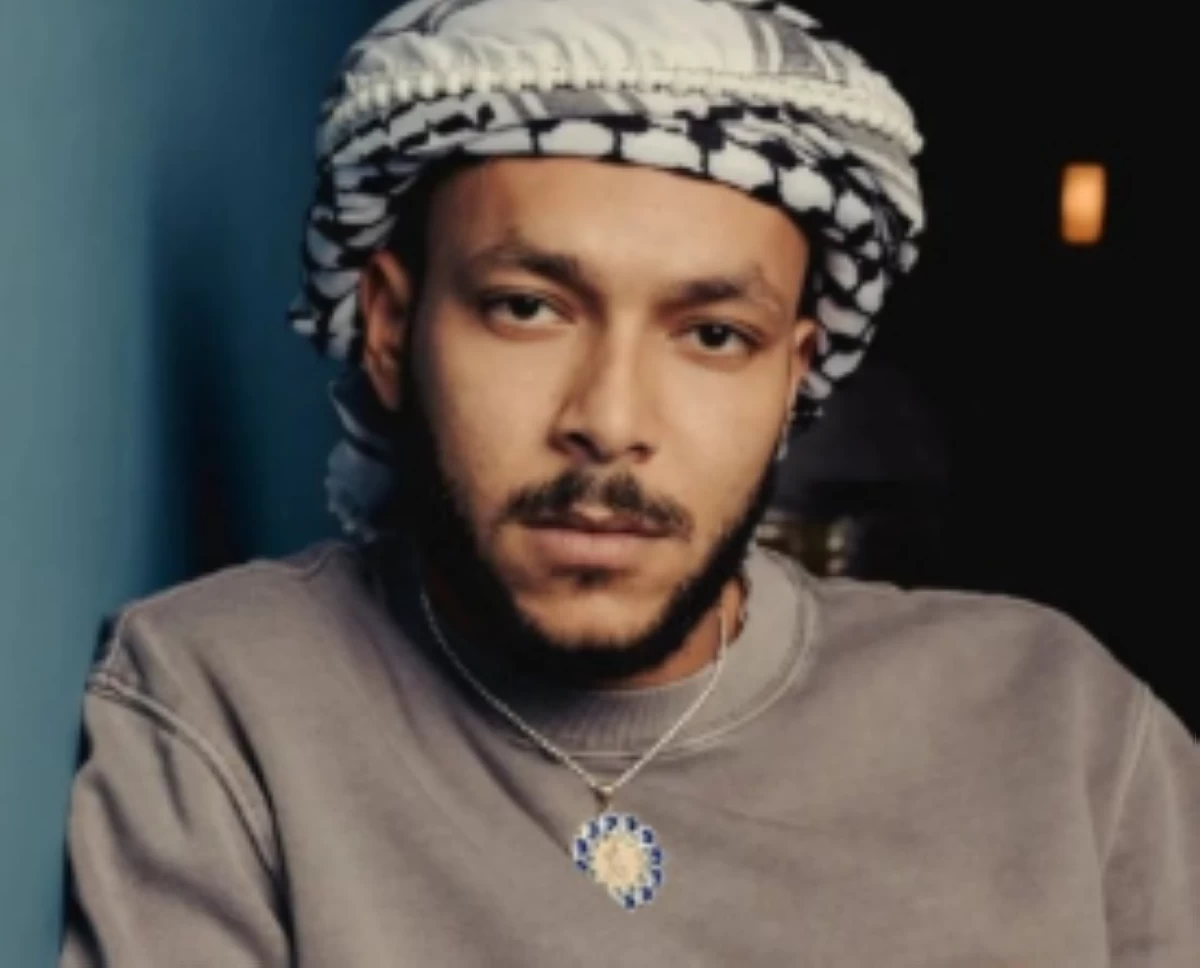
Egyptian rapper Wejz has sparked controversy with his latest song, "Lil Kull Mar'i Ma Nawwa," which features a quote from a prophetic hadith. The use of the quote has prompted Dr. Hisham Rabie, a senior cleric at Dar al-Ifta, to call on Wejz to remove or modify the section of the song. Dr. Rabie emphasized that prophetic hadiths hold a sacred place in Islam and should not be used in a frivolous or entertaining context.
Dr. Rabie expressed his concerns on his official Facebook page, stating that he had been following Wejz's song and was troubled by the inclusion of a prophetic quote. He stressed that the prophetic office demands a level of reverence and respect, and that using such quotes in music is not suitable, regardless of artistic intentions. Dr. Rabie's comments have sparked a wider debate about the intersection of art and faith in Egypt.
The cleric offered Wejz guidance, suggesting that the rapper could revise the song to avoid causing offense. Dr. Rabie emphasized that retracting a mistake takes courage and is a virtuous act. He also invited Wejz to visit Dar al-Ifta to engage in a discussion about the song and its implications. This invitation is seen as an effort to promote dialogue and understanding between the artistic and religious communities.
Dr. Rabie made it clear that Dar al-Ifta is not seeking to stifle creativity but rather to provide guidance and support for artists who wish to produce work that is respectful of Egypt's cultural and religious heritage. He emphasized that the organization aims to promote a positive and elevated artistic taste, while preserving the sanctity of religious symbols and values.
Wejz's song, which features the quote "Lil Kull Mar'i Ma Nawwa," has generated significant attention and reaction on social media. Some critics have argued that using prophetic quotes in music is a form of disrespect, while others have defended Wejz's artistic freedom. The controversy highlights the complex and often contentious relationship between art and religion in Egypt.
The incident has sparked a broader conversation about the role of religion in Egyptian popular culture. Some have argued that artists should be free to explore themes and ideas without restriction, while others believe that certain boundaries should be respected. Dr. Rabie's intervention has added a new dimension to the debate, emphasizing the need for artists to be mindful of the cultural and religious context in which they work.
The controversy surrounding Wejz's song has also raised questions about the role of Dar al-Ifta in modern Egyptian society. As a prominent Islamic institution, Dar al-Ifta plays a significant role in shaping public discourse on issues related to faith and culture. The organization's efforts to engage with artists and promote respectful dialogue may help to build bridges between different communities and promote a more nuanced understanding of the complex relationships between art, faith, and culture.
Key points
- Dr. Hisham Rabie, a senior cleric at Dar al-Ifta, has urged Egyptian rapper Wejz to remove or modify a section of his song that features a quote from a prophetic hadith.
- The controversy highlights the complex and often contentious relationship between art and religion in Egypt.
- Dar al-Ifta aims to promote a positive and elevated artistic taste, while preserving the sanctity of religious symbols and values.