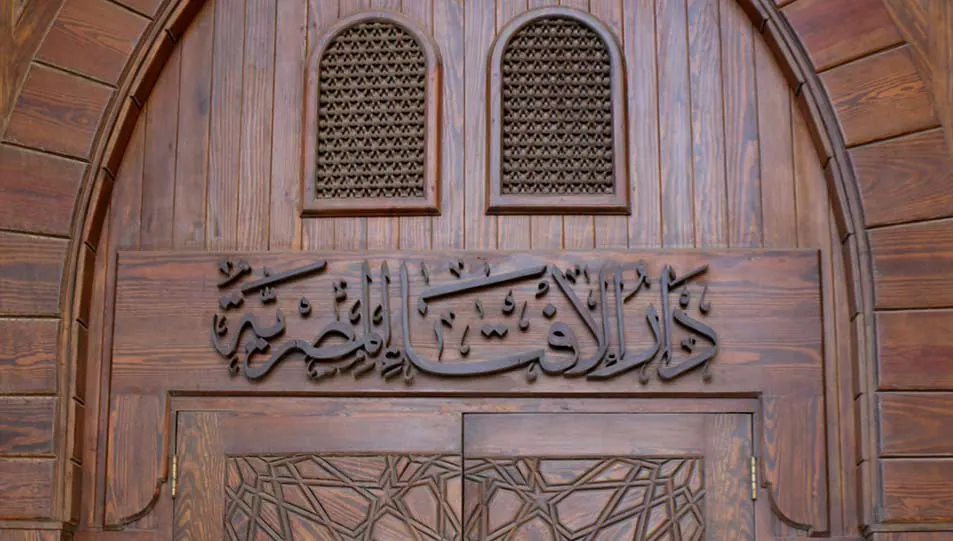
Sheikh Ahmad Wasam, a prominent figure at Egypt's Dar al-Ifta, has addressed the issue of music in Islam, emphasizing that it is not entirely prohibited. In a recent television appearance on the "People's Question" program aired on the People channel, Wasam provided a nuanced explanation of the Islamic stance on music. He highlighted that sound, which is what music fundamentally is, is subject to varying judgments under Islamic law.
According to Wasam, the Prophet Muhammad listened to and praised the recitation of Abu Musa al-Ash'ari, describing his voice as being gifted with a melodious sound akin to those of the family of David. This, Wasam argues, demonstrates the Prophet's appreciation for beautiful sounds, without this implying an absolute validation of all sounds. The Quran itself references different types of sounds, distinguishing between them based on their characteristics and effects.
Wasam pointed out that the Quranic verse, "And indeed, the most unpleasant of all voices is the braying of the donkey," indicates that sounds can be categorized as good or bad based on their inherent qualities and uses. This differentiation suggests that the permissibility of musical instruments is not absolute but depends on how they are used and their purpose.
The cleric emphasized that the critical factor in determining the permissibility of music or sounds is their impact and content, not merely their classification as music. He noted that if music or certain sounds are used in a manner that is within the bounds of Islamic law and does not incite sin or indecency, then it could be considered permissible.
In the context of media and programs, Wasam stated that the use of accompanying sounds or music could be justified if it remains within permissible limits and adheres to Islamic guidelines. He stressed that the primary criterion is that such uses must not encourage sinful behavior or deviate from the standards of Islamic decency.
Wasam's statements reflect a broader discussion within Islamic scholarship about the role of music and art in religious and cultural practices. By focusing on the context and consequences of musical expression, he offers a perspective that seeks to balance traditional Islamic values with the realities of modern media and cultural engagement.
Ultimately, Wasam's clarification aims to provide guidance for Muslims navigating the complexities of contemporary life, where music and various forms of artistic expression are ubiquitous. His approach underscores the importance of understanding the nuances of Islamic law as it applies to different aspects of life, including cultural and artistic practices.
Key points
- Egyptian cleric Sheikh Ahmad Wasam explains that music is not categorically forbidden in Islam.
- The permissibility of music depends on its context and use, according to Wasam.
- Wasam's statements reflect ongoing discussions within Islamic scholarship about the role of music in Islamic practice.