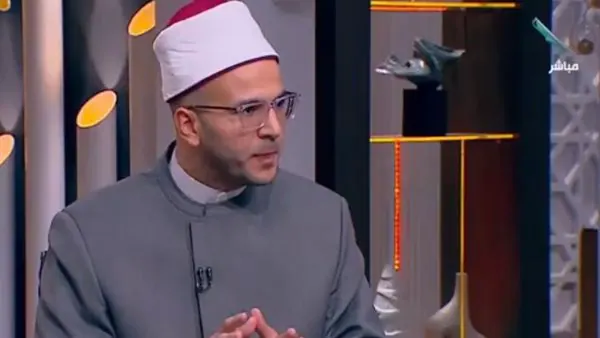
Dr. Hisham Rabi, a senior cleric at Egypt's Dar al-Ifta, has publicly criticized rapper Weegz for incorporating a prophetic hadith into one of his songs. In a Facebook post, Rabi expressed concern that using the hadith in a musical context diminished its spiritual significance. He emphasized that the words of the Prophet Muhammad are not equivalent to human speech and should be treated with utmost respect.
Rabi argued that placing prophetic words in a recreational setting strips them of their dignity and spiritual impact. He described this act as a transgression that should not be justified under any artistic pretext. The cleric stressed that the Prophet's words are a source of guidance and legislation, not entertainment.
The cleric offered Weegz advice, stating that true success in art does not come from daring to desecrate sacred matters. He suggested that Weegz should reconsider his actions, either by removing or modifying the contentious lyrics. Rabi emphasized that retracting mistakes and seeking guidance is a virtuous act that raises one's standing before God and their admirers.
Rabi extended an invitation to Weegz to visit Dar al-Ifta, where he could engage in discussions with scholars about ensuring that artistic works align with Islamic principles. He assured that the institution is not opposed to creativity but aims to provide guidance and support for art that contributes positively to societal values and respects religious sanctities.
The incident highlights the ongoing debate in Egypt about the intersection of art and religion. Dar al-Ifta has positioned itself as a mediator, seeking to balance the need for artistic expression with the imperative to preserve religious values. The institution's stance reflects its role in advising on matters that affect public taste and moral standards.
Weegz has not publicly responded to Rabi's criticism or the invitation to visit Dar al-Ifta. The rapper's use of a prophetic hadith in his song has sparked a broader conversation about artistic freedom and the limits of creative expression in Egypt. This incident may prompt further discussions about the role of religion in public life and the arts.
The controversy underscores the challenges faced by artists in Egypt, where a significant portion of the population holds conservative religious views. It also highlights the influence of religious institutions in shaping public discourse and the potential for dialogue between artists and clerics to foster greater understanding and mutual respect.
Key points
- Dr. Hisham Rabi criticizes rapper Weegz for using a prophetic hadith in a song.
- Dar al-Ifta invites Weegz for dialogue on balancing art and Islamic principles.
- The incident sparks debate on artistic freedom and religious values in Egypt.