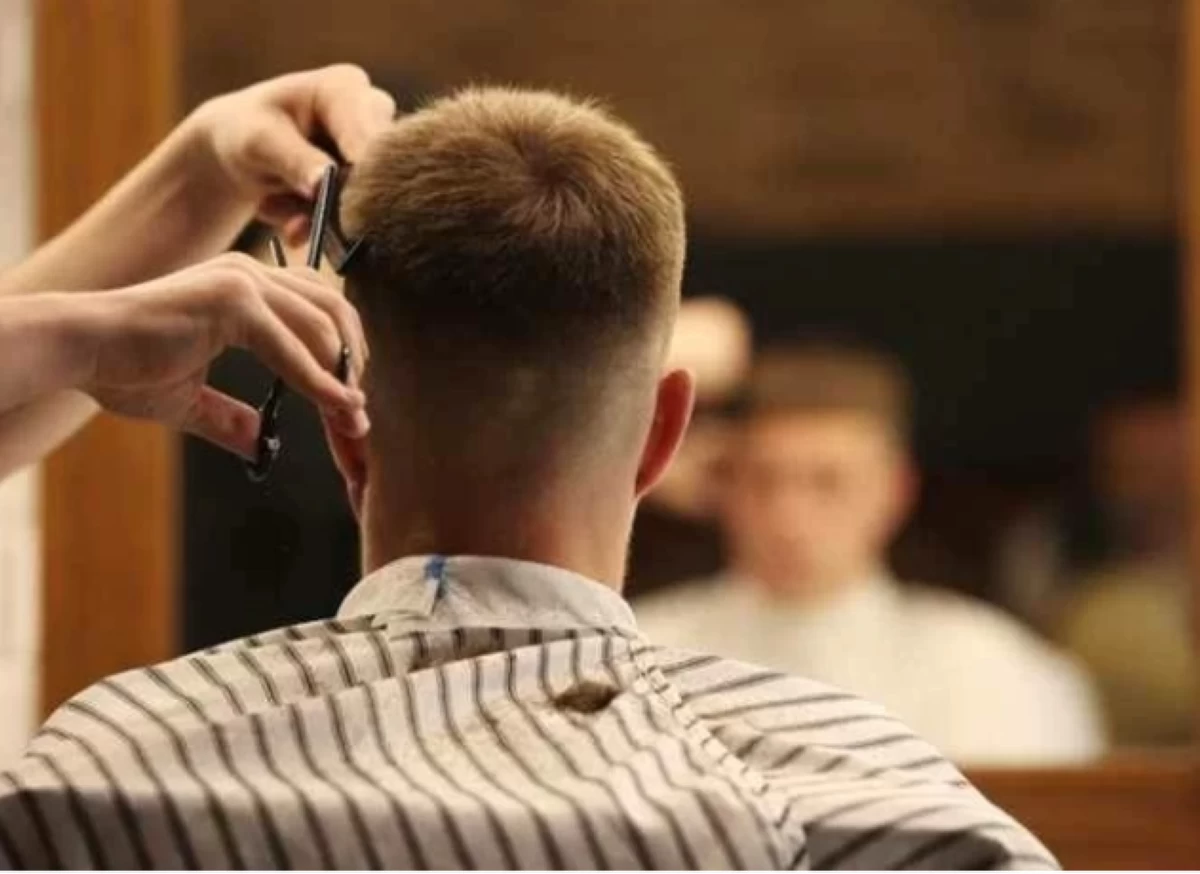
Egypt's Dar Al-Ifta has addressed concerns over modern haircuts popular among young people, specifically those featuring tapered lengths. Sheikh Muhammad Kamal, a senior cleric at Dar Al-Ifta, has clarified the religious ruling on such hairstyles. He distinguished between 'qaz'a', a practice discouraged in Islamic teachings, and tapering, which is permissible. The cleric emphasized that not all modern haircuts are prohibited, provided they do not involve shaving parts of the head while leaving others intact.
According to Sheikh Kamal, 'qaz'a' refers to the act of shaving or cutting hair from certain areas of the head while leaving others long. This practice is discouraged in Islamic teachings, as mentioned in a hadith narrated by Abdullah ibn Umar. The Prophet Muhammad reportedly prohibited 'qaz'a' due to its association with certain undesirable social behaviors. Sheikh Kamal stressed that 'qaz'a' involves a clear disparity in hair length between different parts of the head.
The cleric explained that tapering hair, using scissors or clippers, does not fall under the category of 'qaz'a'. As long as the haircut does not involve shaving some areas and leaving others untouched, it is considered permissible. Sheikh Kamal emphasized that the ruling depends on the method of cutting and the final appearance of the hair. He encouraged young people to choose hairstyles that align with Islamic values and good taste.
Sheikh Kamal highlighted the importance of moderation and good grooming in Islam. He cited a hadith in which the Prophet Muhammad said, "God is beautiful and loves beauty." The cleric urged young people to avoid imitating trends without considering their implications and to prioritize a neat and respectable appearance.
Dar Al-Ifta's clarification aims to alleviate concerns among young people who have adopted modern hairstyles. The institution's guidance emphasizes the need to differentiate between prohibited and permissible haircuts. Sheikh Kamal's explanation underscores the importance of understanding the context and method behind a particular hairstyle.
The debate surrounding modern haircuts and their compatibility with Islamic teachings has sparked interest among Egyptians. Dar Al-Ifta's ruling provides guidance for those seeking to balance their personal style with their faith. The institution's role in addressing contemporary issues has been acknowledged by many in Egypt.
In conclusion, Dar Al-Ifta's clarification on modern haircuts offers a nuanced understanding of Islamic teachings on personal grooming. The institution's guidance encourages young people to make informed choices about their appearance while adhering to Islamic values. By distinguishing between 'qaz'a' and tapering, Sheikh Kamal has provided a clear ruling on a contentious issue.
Key points
- Dar Al-Ifta distinguishes between 'qaz'a' and hair tapering, deeming the latter permissible under certain conditions.