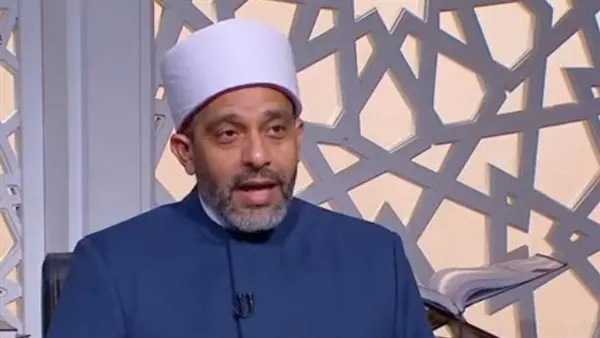
In a recent episode of the TV program "Fatwaa Al-Nas," Sheikh Ahmed Wasam, a prominent cleric and head of fatwas at Egypt's Dar Al-Ifta, tackled a sensitive topic. A female viewer had inquired whether God would accept her repentance for sins committed during her teenage years. Sheikh Wasam assured the audience that God's mercy is boundless and that He accepts repentance regardless of the time elapsed or the number of sins committed.
Citing a Quranic verse, Sheikh Wasam emphasized that God's mercy is vast and all-encompassing. The verse, "Say, O My servants who have transgressed against themselves, do not despair of the mercy of Allah," offers hope to those who have strayed. He stressed that the door of repentance is open to everyone, without exception, and that God not only accepts repentance but also rejoices in it.
According to Sheikh Wasam, God's readiness to forgive is a sign of His love for the individual. He highlighted a Quranic verse, "Then He accepted their repentance, that they may repent," which demonstrates God's eagerness to guide His servants towards repentance. This divine guidance, Sheikh Wasam explained, is a testament to the individual's closeness to God.
The cleric underscored the beauty of returning to God, citing a prophetic tradition that conveys God's eagerness to forgive. The tradition states, "Whoever comes to Me walking, I will come to him running," illustrating God's haste in responding to those who seek forgiveness. Sheikh Wasam encouraged individuals to trust in God's mercy and not to lose hope, regardless of their past mistakes.
Emphasizing the importance of self-reflection and repentance, Sheikh Wasam noted that God's forgiveness is not limited by the nature or number of sins committed. He reassured the audience that God's mercy and forgiveness are available to all who sincerely repent and turn to Him.
During the program, Sheikh Wasam engaged with the host, Mehdi Al-Sadat, in a discussion that shed light on the significance of repentance in Islam. The cleric's responses were based on Islamic teachings and Quranic verses, providing guidance to viewers seeking to understand God's perspective on forgiveness.
The discussion on "Fatwaa Al-Nas" highlighted the role of Dar Al-Ifta in providing spiritual guidance to the Egyptian community. As a prominent Islamic institution, Dar Al-Ifta offers fatwas and counseling services to individuals seeking to understand and apply Islamic teachings in their daily lives.
Key points
- God's mercy and forgiveness are available to all who sincerely repent.
- The door of repentance is open to everyone, without exception.
- God's readiness to forgive is a sign of His love for the individual.