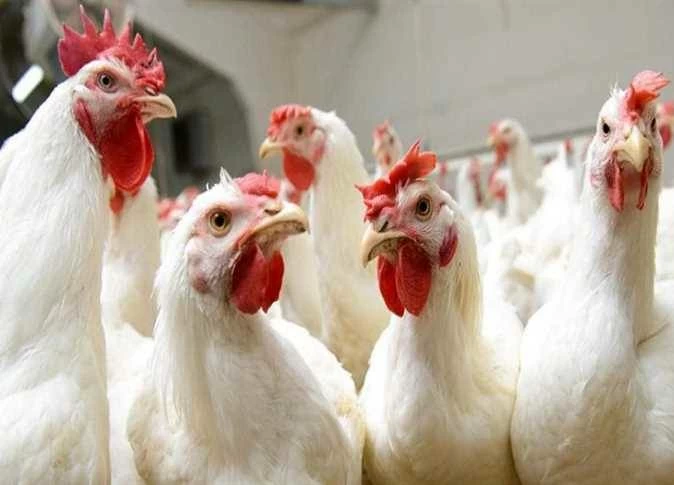
The recent surge in chicken prices has left many Egyptian citizens feeling the pinch, as the cost of a kilogram of chicken has risen to 79 EGP. This increase has significant implications for daily meals, particularly for low-income households that rely heavily on chicken as a protein source. Many citizens are expressing frustration, as this price hike comes at a time when other food items are also experiencing price increases.
Egyptian citizens, such as Fatma Mohamed, are finding it challenging to cope with the rising costs. Mohamed notes that her household has had to adjust its purchasing habits, buying less chicken and carefully calculating needs before heading to the market. This change in behavior is largely due to the fact that chicken prices have increased substantially, making it difficult for households to maintain their usual consumption levels.
The price increase has also led to changes in consumer behavior, with many individuals, like High Mahmoud, opting to compare prices across different stores before making a purchase. This newfound price sensitivity is a result of the significant impact that even small price differences can have on overall household expenses. As a result, citizens are calling for greater oversight and regulation of the market to prevent unjustified price hikes.
According to Mahmoud Ali, a chicken trader, the prices of chicken are directly influenced by supply and demand dynamics in farms and markets. He explains that any change in the price of chicken at the farm level will eventually be reflected in the price paid by consumers. Additionally, Ali notes that traders do not set prices independently but are influenced by prices from previous stages of the supply chain, as well as transportation and operating costs.
Another trader, Ali Abdel Rahman, points out that production costs, including the prices of feed, medicine, energy, and transportation, are key factors driving price fluctuations. He also highlights that some households are opting to buy smaller quantities of chicken, limiting their purchases to essential needs, in an effort to mitigate the impact of rising food prices on their household budgets.
The current price of chicken in Egypt stands at 79 EGP per kilogram, with the price in farms reported at 67 EGP per kilogram. This discrepancy arises from additional costs such as transportation, trading, and profit margins for retailers. The prices vary across regions and sales outlets, making it essential for consumers to compare prices and seek the best deals.
As citizens continue to grapple with the rising cost of living, there is a growing demand for greater transparency in pricing and stricter regulation of the market. With chicken being a staple protein source for many Egyptians, the ongoing price increases are likely to remain a pressing concern for households and policymakers alike.
Key points
- The price of chicken in Egypt has risen to 79 EGP per kilogram, affecting household budgets and daily meals.
- Citizens are calling for greater oversight and regulation of the market to prevent unjustified price hikes.
- Production costs, including feed, medicine, energy, and transportation, are key factors driving price fluctuations.