In the world of cinema, books are not just mere objects or plot devices. They can be portals to other worlds, catalysts for change, or even characters in their own right. For decades, filmmakers have been experimenting with the concept of fictional books, creating entire narratives around them. These non-existent books take on a life of their own, influencing the lives of characters and shaping the story. This phenomenon has been observed in various films, showcasing the dynamic relationship between literature and cinema.
The connection between literature and cinema is well-established, with many novels being adapted into films. However, some movies take the opposite approach, inventing fictional books that become integral to the narrative. These books are often given a title, author, and backstory, blurring the lines between reality and fiction. The audience is left wondering if these books actually exist, so convincing is their depiction. This technique allows filmmakers to explore complex themes and ideas, using the fictional book as a narrative device.
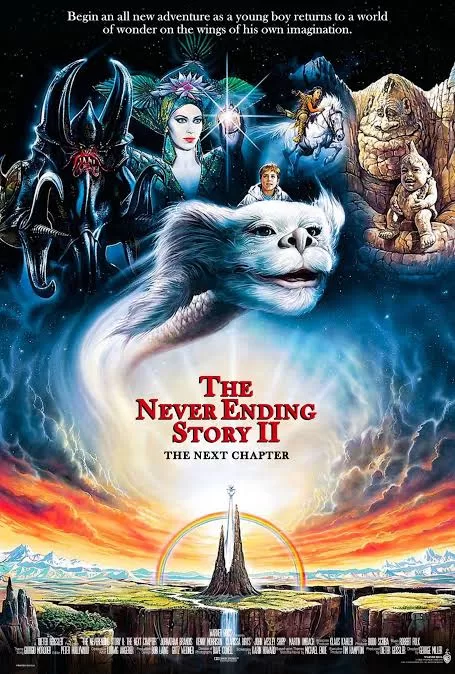
One notable example of this is the 1984 film "The NeverEnding Story." The story revolves around a young boy named Bastian, who discovers a mysterious book in a library that transports him to a fantastical world. The book becomes a gateway to a new reality, allowing Bastian to explore and interact with the characters within. This film showcases the power of fiction to transcend the boundaries of the page and enter our lives.
Another film that explores the concept of fictional books is "Stranger than Fiction" (2006). The main character, Harold Crick, discovers that his life is being narrated by a voice, which he later learns is a novelist writing his story. This twist raises questions about the nature of reality and the power of storytelling. The film highlights the idea that our lives can be shaped by the stories that are told about us.
The 2012 film "Ruby Sparks" takes this concept further, blurring the lines between author and character. The protagonist, Calvin, creates a fictional character named Ruby, who suddenly appears in his life. This scenario raises questions about the relationship between creators and their creations, and the extent of control they have over them. The film explores themes of love, freedom, and the complexities of human relationships.
Fictional books have also been used as instruments of suspense in various films. For example, "Basic Instinct" (1992) features a novelist whose stories bear an uncanny resemblance to real-life crimes. The film keeps the audience guessing, wondering if the writer is somehow connected to the murders. Similarly, "The Name of the Rose," adapted from Umberto Eco's novel, centers around a forbidden manuscript that becomes a focal point of investigation in a monastery.
The use of fictional books in cinema offers a unique lens through which to explore complex themes and ideas. By creating entire narratives around non-existent books, filmmakers can engage audiences and challenge their perceptions of reality. This technique has been used in various films, showcasing the versatility and creativity of filmmakers in their storytelling.
Key points
- Fictional books have become a staple in cinematic storytelling, allowing filmmakers to explore complex themes and ideas.
- The use of fictional books in films raises questions about the nature of reality and the power of storytelling.
- This technique has been used in various films, including "The NeverEnding Story," "Stranger than Fiction," and "Ruby Sparks."