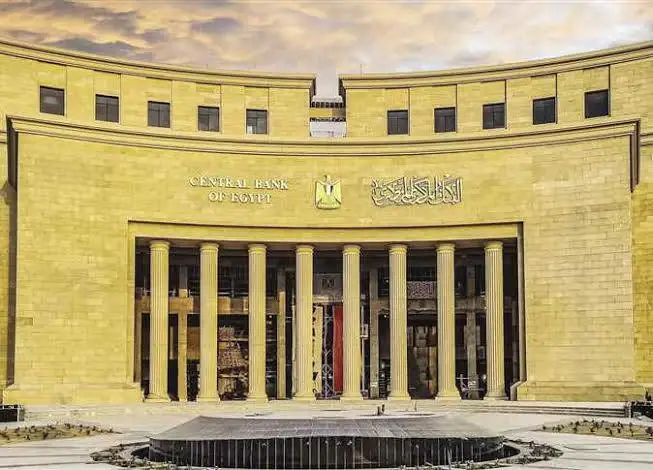
In a surprise move, the Egyptian Central Bank raised interest rates by 1% on Thursday, October 29, 2026, citing growing concerns about inflationary pressures and economic developments at home and abroad. The decision, which was not expected by many experts and bankers, saw the benchmark interest rate increase to 20.0% for deposits and 21.0% for lending. This move aims to anchor expectations and maintain a downward trajectory for inflation.
According to Hani Abu Al-Futoh, a banking expert, the Central Bank's decision reflects increasing fears about inflation and the economic situation. He noted that global interest rate trends and expectations about the US Federal Reserve's monetary policy influence Egyptian decision-making. The goal is to maintain the attractiveness of local debt instruments and mitigate the risks of hot money outflows. This development comes as Egypt faces economic challenges, including a decline in the global price of gold and a drop in the US dollar exchange rate in local banks.
The Central Bank's Monetary Policy Committee decided to raise the basic interest rates by 100 basis points. As a result, the lending and deposit interest rates for one night and the main operating rate for the Central Bank increased to 20.0%, 21.0%, and 20.5%, respectively. The discount and credit rate also rose to 20.5%. This move is part of a broader effort to address inflationary pressures and promote price stability amid an increasingly uncertain external environment.
Abu Al-Futoh highlighted that the recent rise in the dollar to nearly 56 Egyptian pounds poses a threat to prices. This increase could lead to higher costs for importing food and production inputs, potentially driving inflation up again. Furthermore, ongoing geopolitical tensions in the region exacerbate uncertainty, raising concerns about disruptions to energy markets, trade, and supply chains. These factors support the Central Bank's decision to tighten monetary policy to mitigate potential risks.
The decision to raise interest rates is seen as a proactive step to protect the purchasing power of citizens. By increasing interest rates, the Central Bank aims to reduce the attractiveness of spending and encourage saving, which can help curb inflation. This move also reflects the bank's commitment to achieving its inflation targets and maintaining economic stability.
Egypt's economic challenges have been compounded by global events, including fluctuations in commodity prices and supply chain disruptions. The Central Bank's decision is part of a broader strategy to address these challenges and promote sustainable economic growth. By maintaining a tight monetary policy stance, the bank aims to ensure that inflation remains under control and that the economy continues to grow.
The interest rate hike is expected to have a positive impact on the Egyptian economy in the long term. By anchoring inflation expectations and maintaining price stability, the Central Bank can help create a more favorable business environment, encouraging investment and promoting economic growth. However, the short-term effects of the rate hike may be felt by borrowers, who will face higher interest costs.
Key points
- The Egyptian Central Bank raised interest rates by 1% to combat inflationary pressures and promote price stability.
- The decision was driven by concerns about inflation, economic developments, and global interest rate trends.
- The rate hike aims to anchor expectations, maintain a downward trajectory for inflation, and promote sustainable economic growth.