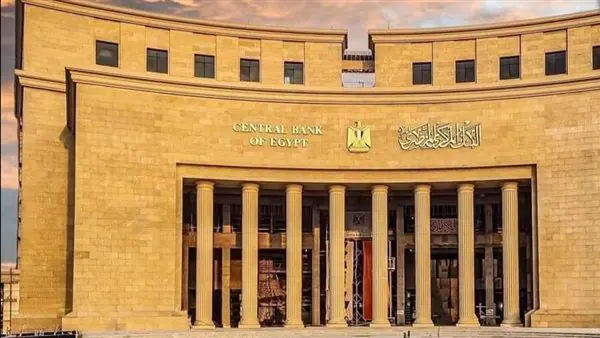
The Egyptian Central Bank's Monetary Policy Committee is set to meet on Thursday, with widespread expectations that interest rates will remain unchanged at 19% for deposits and 20% for loans. This would mark the fifth consecutive meeting without any changes. The decision comes amid a delicate balance between declining inflation and improved foreign inflows, on one hand, and rising global energy prices and the US Federal Reserve's interest rate hike, on the other.
Egypt's annual urban inflation rate declined to 14.5% in August 2026, down from 14.9% in July, according to recent data. This decrease was contrary to expectations and marks a significant drop. However, inflation remains above the central bank's target range. Core inflation, which excludes volatile items, rose to 14.9% from 14.7%, indicating persistent underlying price pressures.
Analysts cite several factors supporting the decision to keep interest rates unchanged. The Egyptian economy has demonstrated resilience in the face of regional tensions, and real interest rates remain positive, providing the central bank with room to maintain current rates. Additionally, the central bank's priority is to keep inflation in check, and adjusting interest rates now could undermine this goal.
The US Federal Reserve's recent decision to raise interest rates by 25 basis points to a target range of 3.75%-4.00% adds pressure on the Egyptian Central Bank. This move may lead to capital outflows from emerging markets, including Egypt, and could impact the central bank's decision on interest rates. Egypt has experienced outflows of "hot money" in recent times.
Maintaining interest rates is seen as a cautious step to mitigate potential inflationary pressures arising from higher global oil prices. It also aims to preserve the attractiveness of Egyptian markets to foreign indirect investments. This balancing act is crucial for the central bank as it navigates domestic and international economic challenges.
Looking ahead, predictions about when the central bank might start cutting interest rates vary. Many experts expect the Egyptian Central Bank to delay the start of an easing cycle until the second quarter of 2027. This would be contingent on inflation moving closer to target levels, potentially allowing for a cumulative reduction of around 300 basis points in 2027, barring new inflationary shocks.
The central bank's decision will have significant implications for Egypt's economic trajectory. With inflation still above target and global economic uncertainties, the central bank must carefully calibrate its monetary policy. The upcoming meeting will provide insights into the bank's assessment of these factors and its strategy for managing them.
Key points
- The Egyptian Central Bank is expected to keep interest rates unchanged at 19% for deposits and 20% for loans.
- Egypt's annual urban inflation rate declined to 14.5% in August 2026.
- The US Federal Reserve's interest rate hike adds pressure on the Egyptian Central Bank to maintain its current interest rates.