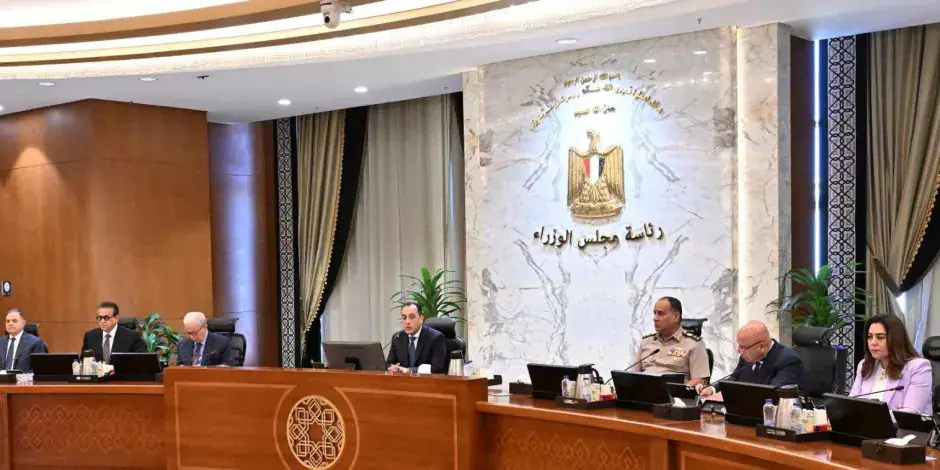
The Egyptian Cabinet, led by Prime Minister Mostafa Madbouli, has approved a package of decisions aimed at alleviating the burden on citizens, supporting investments, and promoting renewable energy. These decisions were made during a meeting at the government's headquarters in the new capital. The cabinet's move is expected to have a positive impact on various sectors, including energy, housing, and healthcare.
One of the key decisions is to offer a 30% discount on electricity consumption for certain users of code meters for six months. This discount, estimated to cost around 3 billion Egyptian pounds, will be borne by the state. The decision aims to provide an opportunity for citizens to regularize their building violations and encourage them to settle their affairs. This move is part of the government's efforts to reduce the financial burden on citizens and promote compliance with building regulations.
The cabinet has also extended the deadline for applying for alternative housing units for citizens covered by the old rent law until January 12, 2027. This decision comes after the previous deadline of October 12, 2026, was extended by three months. According to the Housing Ministry's report, around 96,500 citizens have applied for alternative housing units, with a total of 106,600 applications. The report also revealed that Cairo and Giza were among the top governorates with the highest number of applications.
In a bid to support renewable energy, the cabinet has granted a golden license to two companies to implement wind power projects with a combined capacity of 1,800 megawatts. The projects, located in Ras Shukair and the Gulf of Suez, aim to produce electricity from wind energy and sell it to the Egyptian Electricity Transmission Company. The projects are expected to provide thousands of job opportunities during the construction and operation phases.
The cabinet has also approved a decision to modify the boundaries of the 15th of May city, increasing its area to around 21,884.45 feddans. This move aims to accommodate the growing needs of the city and provide more space for urban development. Additionally, the cabinet has formed a Supreme Council for Human Resources Skills Development, which will be responsible for developing policies for training and qualification.
The Supreme Council, chaired by the Minister of Labor, will comprise representatives from relevant ministries and agencies, as well as business owners and labor unions. The council's primary objective is to link education and training to the needs of the labor market and develop a national program for human resources skills development. The council will also focus on supporting the training and qualification of people with disabilities and those in need.
Furthermore, the cabinet has approved the establishment of a fund to finance training and qualification, which aims to support the development of human resources skills and link them to labor market needs. The fund will finance the creation and development of training centers, prepare training programs, and support projects that link education and training outputs to labor market requirements.
Key points
- The Egyptian cabinet has approved a series of decisions to support citizens and investments, including a 30% discount on electricity consumption for certain users and the extension of alternative housing applications.
- The cabinet has also granted golden licenses to two companies to implement wind power projects with a combined capacity of 1,800 megawatts.
- The decisions aim to alleviate the burden on citizens, promote investments, and support renewable energy and human resources development.